
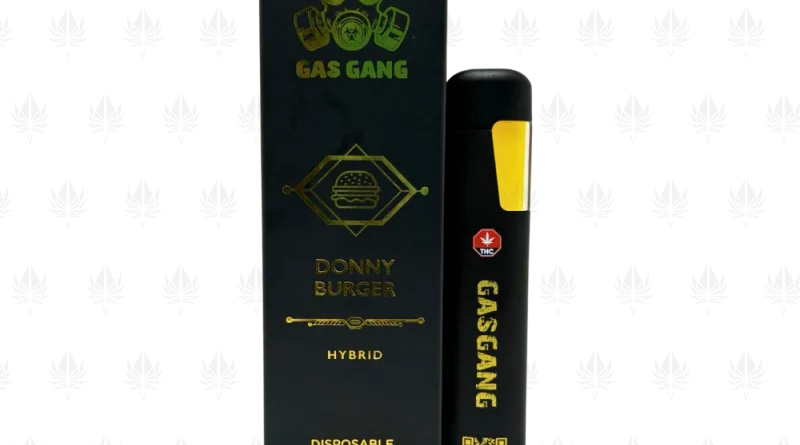
Whether you’re a seasoned dabber looking for something more portable or a flower loyalist curious about vapes, THC vape pens have earned their place as one of the most popular ways to consume cannabis in Canada. THC cartridges pack serious potency into a sleek, pocket-friendly format – and the variety available today goes far beyond the one-note distillate carts that first hit the market.
But not all carts are created equal. From the extract type and strain profile to the hardware itself, the details matter if you want a smooth pull, full flavour, and a high that actually matches what’s on the label. Choosing the wrong cart can mean muted terpenes, burnt hits, or a generic buzz that doesn’t live up to the price tag.
This guide breaks down everything you need to know about THC cartridges – the different types, how strains and potency factor in, what separates a premium cannabis cartridge from a throwaway one, and how to keep your hardware hitting clean from the first pull to the last.
Key Takeaways
- THC cartridges come in several extract types – distillate, live resin, and full-spectrum – each offering a different flavour and effects profile
- Strain selection matters just as much in a cart as it does in flower; indica, sativa, and hybrid options deliver distinct experiences
- Potency isn’t just about THC percentage – terpene content and extract quality play a major role in the overall high
- Proper storage and care can extend the life of your cartridge and prevent common issues like clogging and burnt hits
- Canadian consumers have access to premium cart options from brands like Gas Gang, Persona, and Dope that prioritize quality extracts
What Are THC Cartridges and How Do They Work?
THC cartridges are pre-filled containers of cannabis extract designed to attach to a compatible vape pen battery. When you take a draw, the battery heats a small coil or ceramic element inside the cart, vaporizing the oil so you can inhale it. No grinding, no rolling, no torch – just press a button (or simply inhale, with draw-activated batteries) and you’re set.
Most weed carts use a standard 510-thread connection, which means they’re compatible with the vast majority of vape pen batteries on the market. This universal design makes it easy to swap between cartridges from different brands without needing a whole new setup. Some brands also produce proprietary pod systems, but 510-thread remains the industry standard in Canada.
The oil inside the cartridge is where things get interesting. Cannabis extract can be processed in multiple ways, and the method used has a direct impact on flavour, potency, and the character of the high. Understanding the differences between extract types is the first step to choosing a cart that actually suits your preferences.
Distillate vs. Live Resin vs. Full-Spectrum: Which Extract Type Hits Different?
Distillate Cartridges
Distillate is the most common extract you’ll find in THC cartridges. It’s produced through a refinement process that strips the cannabis oil down to nearly pure THC – often testing between 85–95%. The result is a clear, odourless oil that delivers a potent, straightforward high. Because the original terpenes are removed during processing, most distillate carts have botanical or cannabis-derived terpenes re-added for flavour.
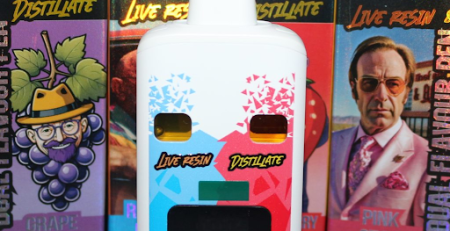
Distillate carts are a solid choice when potency is your top priority. They’re also typically the most affordable option. Brands like Heisenberg offer distillate vape pens in bulk deals that make them accessible for everyday use.
Live Resin Cartridges
Live resin is extracted from flash-frozen cannabis flower, preserving the plant’s full terpene profile in a way that standard distillation can’t match. The result? Carts that taste like the actual strain – gassy, fruity, piney, or sour – with a more nuanced, full-bodied high. If you’ve ever browsed live resin products and wondered whether the cart version lives up to the dab, the answer is yes – provided the brand does it right.
Live resin carts tend to cost more than distillate, but for flavour chasers and terpene enthusiasts, the difference is night and day.
Full-Spectrum Cartridges
Full-spectrum extracts aim to retain the widest possible range of cannabinoids and terpenes from the source plant – not just THC. That includes minor cannabinoids like CBG, CBC, and trace amounts of CBD, all of which contribute to what’s commonly called the entourage effect. Full-spectrum carts generally deliver a high that feels more rounded and true to the original strain experience.
How Strains Shape Your Cart Experience
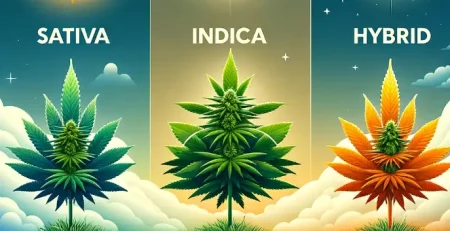
Just like flower, THC cartridges come in indica, sativa, and hybrid strain profiles – and the strain you choose affects the experience significantly.
Indica carts tend to deliver heavier, body-focused effects. They’re the go-to for evening sessions or winding down. Classic indica strains like Pink Kush, Bubba Kush, or Granddaddy Purple translate well into cart form, especially when extracted as live resin.
Sativa carts lean toward uplifting, cerebral effects. If you want something for daytime use or creative sessions, sativa options like Green Crack, Jack Herer, or Durban Poison offer energetic profiles that pair well with the convenience of a vape.
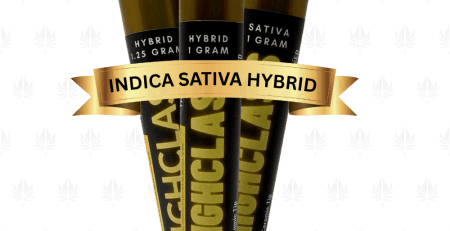
Hybrid carts split the difference. Depending on the strain’s lineage, a hybrid cart might lean indica or sativa, making it a versatile choice. Many popular cannabis concentrates from Canadian brands are hybrid-dominant because they appeal to the widest range of consumers.
When selecting a strain, pay attention to the terpene profile listed on the packaging. Myrcene-heavy carts tend to deliver heavier, more relaxing effects, while limonene and pinene-dominant profiles skew more uplifting and focused. The strain name is a starting point, but terpenes tell the real story.
Understanding Potency: Why THC Percentage Isn’t Everything
It’s tempting to grab the cart with the highest THC number on the label, but potency is more complex than a single percentage. A 90% THC distillate cart might hit hard, but a 75% live resin cart with a rich terpene profile can deliver a more satisfying, layered experience.
Here’s why: terpenes don’t just add flavour – they shape how the high feels. Myrcene is associated with heavier, more relaxing vibes. Caryophyllene adds a peppery depth. Limonene is linked to brighter, more uplifting effects. When these compounds work together, the result is a high that feels more complete than pure THC alone.
Potency also depends on the hardware. A cart with a high-quality ceramic coil heats the oil more evenly, producing better vapour with less waste. Cheap coils can burn the oil, degrading both flavour and potency with every hit.
The bottom line: look at the full picture – extract type, strain, terpene content, and hardware quality – rather than fixating on THC percentage alone.
Top THC Cartridge Brands Worth Trying in Canada
The Canadian market has no shortage of vape brands, but a few stand out for consistently delivering quality extracts and reliable hardware.
Gas Gang has built a reputation around bold, terpy concentrates, and their vape lineup is no exception. Known for gassy, flavour-forward profiles, Gas Gang carts and disposables are a staple for Canadian consumers who want more than a generic distillate experience.
Dope specializes in 2G disposable pens – pre-charged, pre-filled, and ready to rip straight out of the package. Their 2G Dope disposable pens are popular for their convenience and generous oil capacity, making them ideal for on-the-go sessions without worrying about charging a separate battery.
Persona focuses on distillate pens with clean, consistent pulls. They’re a reliable everyday option, especially if you prefer the straightforward potency of distillate over terpene-heavy live resin.
How to Care for Your THC Cartridges
A premium cart deserves proper care. A few simple habits can prevent the most common issues – clogging, leaking, burnt hits, and degraded oil – and keep your vape pen cartridge performing until the last drop.
Store upright. Keeping your cart vertical (mouthpiece up) prevents oil from settling into the mouthpiece or leaking out of the airflow holes. This is especially important for live resin carts, which tend to have a slightly thinner consistency than distillate.
Keep it cool and dark. Heat and direct sunlight break down cannabinoids and terpenes over time. A drawer, a case, or even a pocket away from body heat is better than leaving a cart on a sunny windowsill or in a hot car.
Use the right voltage. Most 510 batteries have adjustable voltage settings. For distillate, a medium setting (3.3–3.8V) works well. For live resin, go lower (2.5–3.2V) to preserve the terpenes and avoid burning the oil. If you’re getting a harsh, burnt taste, your voltage is probably too high.
Don’t over-tighten. When attaching a cart to your battery, screw it on until it’s snug – not cranked down. Over-tightening can crush the O-ring seal or damage the connection, causing airflow issues or leaking.
Clear clogs quickly. If the airflow feels restricted, try taking a few gentle draws without firing the battery. You can also use the pre-heat function (if your battery has one) to warm the oil slightly and clear the blockage.
Get the Most From Every THC Cartridge
THC cartridges offer one of the most convenient, discreet, and flavourful ways to consume cannabis – but getting the best experience comes down to knowing what you’re buying and how to treat it. Whether you prefer the raw potency of distillate, the terp-rich depth of live resin, or the balanced complexity of full-spectrum oil, the Canadian market has options that deliver.
Pair the right extract type and strain profile with proper storage and care habits, and every cart will hit the way it’s supposed to – clean, flavourful, and potent from first pull to last. Ready to explore? Browse the full lineup of cannabis vapes and cartridges and find the cart that fits your style.
Frequently Asked Questions
How long does a THC cartridge typically last?
A standard 1G THC cartridge lasts most regular users between one and two weeks, depending on how often and how long you draw. Lighter users can stretch a gram significantly further. If you go through carts quickly, 2G disposable options offer better value per milligram of oil.
Are live resin carts better than distillate carts?
It depends on what you’re after. Live resin carts deliver a richer flavour and a more strain-authentic experience because they preserve the plant’s original terpenes. Distillate carts offer higher raw THC potency at a lower price point. Neither is objectively better – it comes down to whether you prioritize flavour or pure potency.
Can I use any 510 battery with my THC cartridge?
Most cannabis cartridges use a standard 510-thread connection, so they’re compatible with the vast majority of vape batteries on the market. That said, look for a battery with adjustable voltage – live resin carts perform best at lower settings (2.5–3.2V), while distillate carts handle slightly higher heat well.
Why does my cartridge taste burnt?
A burnt taste usually means your voltage is set too high for the oil in your cart, or you’re taking draws that are too long and too frequent without giving the coil time to re-saturate. Lower your voltage setting and take shorter, slower draws. If the problem persists, the cart may be near empty – the coil burns when there isn’t enough oil to wick.
How should I store THC cartridges I’m not using right away?
Store unused cartridges upright in a cool, dark place – Health Canada recommends keeping all cannabis products away from heat and light. A drawer or a small case works well. Avoid leaving them in direct sunlight, in a hot car, or near heat sources, as high temperatures degrade cannabinoids and terpenes over time. Properly stored, a sealed cartridge maintains its quality for several months.

Leave a Reply
You must be logged in to post a comment.