
New to cannabis? Start here. If you’re shopping legally in Canada for the first time, the vocabulary alone – indica, AAAA, live resin, “10mg per piece” – can make a simple purchase feel like a test you didn’t study for. This guide for cannabis for beginners cuts through it: what the main formats are, how strength is measured, and how to start in a way that’s comfortable and controlled.
Cannabis has been legal for adults across Canada since the Cannabis Act came into force in 2018, and buying it no longer means guessing. The goal here isn’t to sell you the strongest thing on the shelf – it’s to help you understand what you’re choosing so your first experience is a good one.
What “cannabis” actually refers to
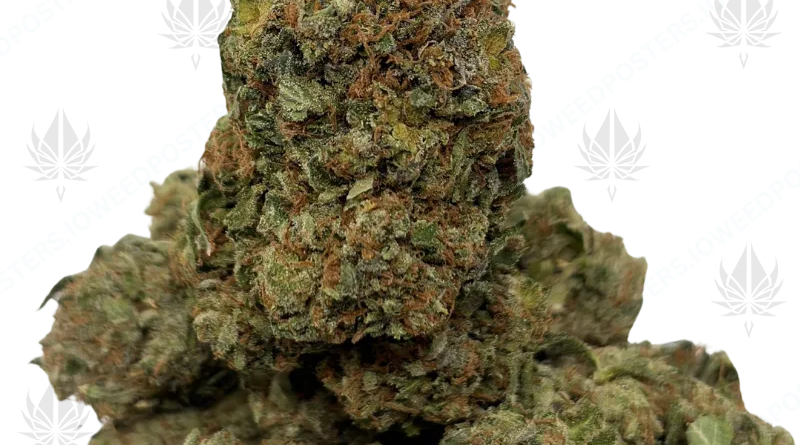
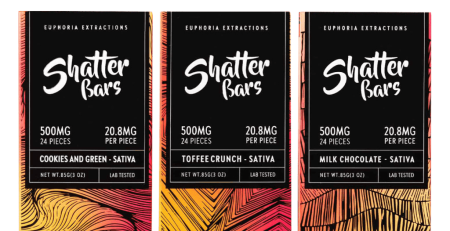
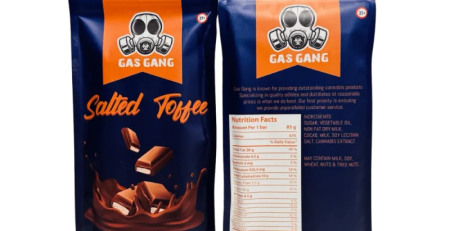
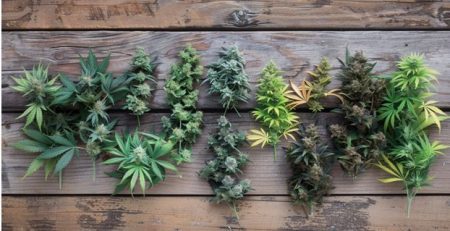
Cannabis is a plant, and the products made from it fall into a few broad families. Most beginners meet them in this order: dried flower (the classic bud you grind and smoke), edibles (food and drinks made with cannabis), vapes (concentrated oil heated in a pen or cartridge), and concentrates (potent extracts like hash, shatter, and live resin).
Each format differs in two things that matter most to a beginner: how strong it tends to be, and how quickly you feel it. That’s the whole game at the start – matching a gentle format to a gentle dose.
Key takeaway: For a first session, format and dose matter far more than strain name. Start with a low-strength option and a small amount.
THC and CBD: the two names you’ll see everywhere
Two compounds do most of the talking on any label. THC is the one associated with feeling “high” – the intoxicating effect. CBD is non-intoxicating; it won’t produce that high on its own. Understanding the difference between CBD and THC is the single most useful thing a beginner can learn, because it tells you what a product will and won’t do before you buy it.
Products list these as milligrams (mg) or as a percentage. A flower at 20% THC is potent; an edible at 5mg THC is a modest starting dose. You don’t need to memorize numbers – you just need to read the label instead of the marketing.
Choosing your first format
Here’s a plain comparison of the beginner-friendly starting points:
| Format | How fast it starts | Beginner note |
| Dried flower (smoked) | Minutes | Easiest to control – take one small inhale, wait, reassess |
| Edibles | 30 min to 2 hours | Slow onset; the classic beginner mistake is taking more too soon |
| Vape pen / cartridge | Minutes | Convenient and discreet; effects arrive quickly like flower |
| Concentrates | Minutes | Very potent – best left until you have some experience |
If you want to compare these side by side for your own situation, the honest breakdown of flower vs edibles vs vapes vs concentrates walks through which suits which kind of user. It’s the natural next read once you know the basics here.
Edibles deserve a special note because their delay trips up almost every beginner. Health Canada advises that edibles can take 30 minutes to 2 hours to begin and up to 4 hours to reach full effect – which is exactly why “start low, go slow” exists as a rule. If you’re leaning toward gummies or chocolate, learning how long edibles take to kick in before you dose is essential.
“Start low, go slow” – what it means in practice
This is the one piece of advice worth tattooing on the inside of your eyelids. It means: begin with the lowest reasonable amount, then wait long enough to feel the full effect before deciding whether to take more.
- Flower or vape: one small inhale, then wait 15 minutes.
- Edibles: 2.5mg–5mg THC, then wait a full 2 hours. Do not “top up” early.
- Any format: don’t mix with alcohol, and never drive while impaired.
If you do overshoot, it passes. Staying calm, hydrated, and somewhere comfortable is most of the fix – and our guide on how to sober up from weed covers the practical steps for coming down faster.
Reading a product page without getting lost
Canadian dispensary listings pack a lot into a small space. Three things are worth finding on every product:
- The format and the THC/CBD content (in mg or %). This sets your expectation for strength.
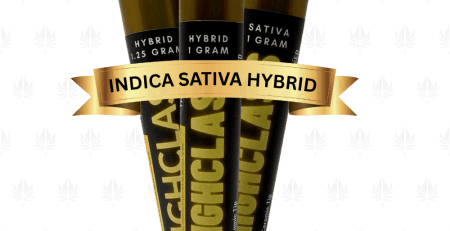
- The strain type – indica, sativa, or hybrid. Users often describe indica-leaning options as more relaxing and sativa-leaning as more uplifting, though individual experiences vary a lot. The plain-language version of indica, sativa and hybrid is a useful companion read.
- The grade. Some Canadian shops label flower quality on a scale (AA up to AAAA+, plus terms like LSO). If those letters mean nothing to you yet, that’s normal – cannabis grading explained is the piece that decodes them.
When you’re ready to actually browse, the Shop Cannabis catalogue is organized by these same categories, and the How to Order page walks through payment, shipping, and discreet packaging step by step.
A sensible first order
You don’t need a big haul to start. A small amount of moderate-strength flower or a low-dose edible, plus a way to consume it, is plenty. Keep it stored properly so it stays fresh – our notes on storing dried flower and edibles cover that – and give yourself an unhurried evening at home with no obligations.
The point of a first session isn’t to get as high as possible. It’s to learn how your body responds so every session after this one is on your terms.
Pick Your Format
You now know the formats, the two compounds that define them, and the one rule (start low, go slow) that keeps a first experience comfortable. That’s the whole foundation.
The natural next step isn’t a purchase – it’s a decision. Before you buy anything, read the side-by-side comparison of the main formats so you choose the one that fits your situation, not just the one that’s on sale. Browse the Shop Cannabis catalogue when you’re ready, or read our format comparison first – either way, you’ll be shopping with a plan instead of a guess.
Frequently Asked Questions
1. Is cannabis legal to buy in Canada?
Ans. Yes – cannabis has been legal for adults nationwide since 2018 under the Cannabis Act. The minimum age is 19 in most provinces (18 in Alberta and Quebec).
2. What’s the difference between THC and CBD for a beginner?
Ans. THC is the intoxicating compound that produces a “high”; CBD is non-intoxicating and won’t produce that effect on its own. Reading the mg or % of each tells you what to expect.
3. What’s the best format for someone trying cannabis for the first time?
Ans. Many beginners find smoked or vaped flower easiest because you feel it within minutes and can control the amount. Edibles work too, but their slow onset requires patience.
4. How much should I take the first time?
Ans. Start with the smallest reasonable amount – one small inhale of flower, or 2.5–5mg of THC in an edible – then wait to feel the full effect before deciding on more.
5. How long do edibles take to work?
Ans. Health Canada notes edibles can take 30 minutes to 2 hours to begin and up to 4 hours for full effect, which is why patience matters so much with them.
6. What does “start low, go slow” mean?
Ans. Begin with a low dose and wait long enough to feel it fully before taking more. It’s the simplest way to avoid an uncomfortable first experience.
7. Will one puff get me really high?
Ans. Usually not dramatically, but it depends on the product’s strength and your own tolerance. Starting with one small inhale lets you gauge your response safely.
8. What do the letter grades like AAAA mean?
Ans. Some Canadian shops grade flower quality from AA up to AAAA+, plus terms like LSO. It’s a quality-and-appearance scale, not a strength guarantee.
9. Can I mix cannabis with alcohol?
Ans. It’s best not to, especially as a beginner – combining them can intensify effects unpredictably. And never drive or operate machinery while impaired.
10. What if I take too much?
Ans. It’s uncomfortable but passes. Stay somewhere calm and comfortable, hydrate, and wait it out; the effects fade on their own.
Leave a Reply
You must be logged in to post a comment.