
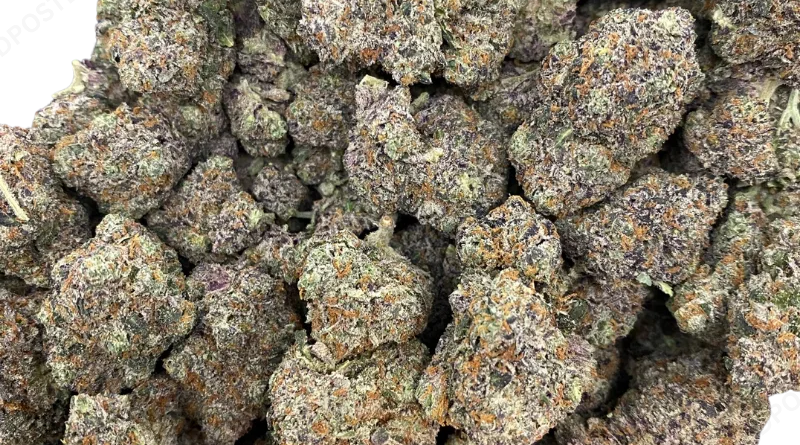
If you’ve ever cracked open a bag of weed and wondered whether you scored top shelf or got stuck with something mid, you’re not alone. Knowing how to identify high-quality cannabis flower is one of the most valuable skills any consumer can develop – and it goes well beyond just looking at the THC percentage on the label.
The Canadian market is packed with options, from budget ounces to AAAA+ craft cannabis, and everything in between. Without a trained eye (and nose), it’s easy to overpay for average product or pass on something exceptional because it didn’t look flashy enough in the photo. The grading system helps, but it only tells part of the story.
This guide walks you through the visual, aromatic, and structural cues that separate genuinely premium cannabis from the rest – so you can shop with confidence whether you’re browsing online or inspecting a fresh drop in person.
Key Takeaways
- High-quality cannabis flower can be identified through a combination of visual appearance, aroma, texture, and structure
- Trichome density is one of the most reliable indicators of potency and overall cannabis quality
- A strong, complex terpene profile (what you smell) directly correlates with a richer experience
- Proper trim, cure, and moisture content matter just as much as genetics
- Canada’s grading tiers – from AA to AAAA+ – provide a useful framework, but developing your own eye for quality gives you an edge
What Does High-Quality Cannabis Flower Actually Look Like?
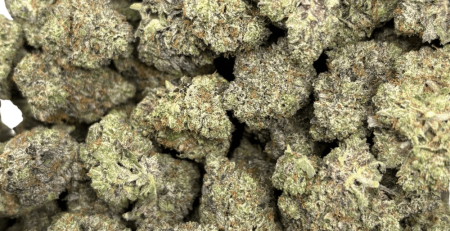
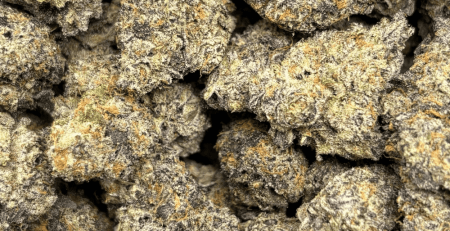
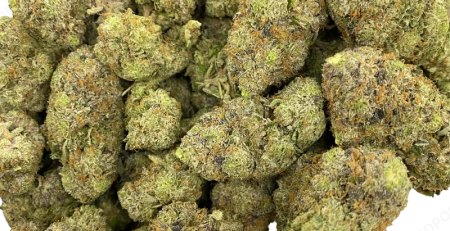
The first thing most people notice about a bud is its appearance, and premium flower tends to announce itself visually. Look for dense, well-structured buds with vibrant colour – deep greens as the base, often accented with purples, blues, or orange pistils depending on the strain. Colour alone doesn’t determine quality, but dull, brownish buds are usually a red flag pointing to age, poor storage, or a subpar cure.
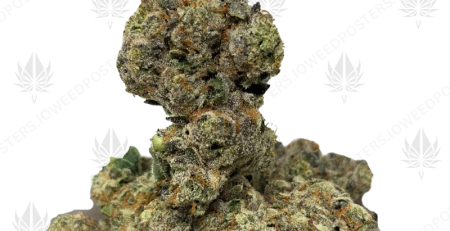
What you really want to see is frost. Top-shelf weed is covered in a visible layer of trichomes – the tiny, crystal-like structures that house cannabinoids and terpenes. Under good lighting, premium buds look like they’ve been dusted with sugar. If the surface appears flat or matte with little visible trichome coverage, the potency and flavour are likely going to underwhelm.
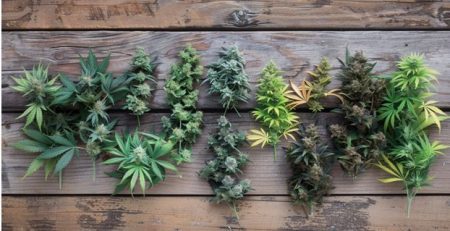
Bud structure varies by strain type. Indicas tend to produce denser, more compact nugs, while sativas often grow airier and more elongated. Neither shape is inherently better – what matters is that the bud looks healthy, intact, and properly developed rather than wispy, larfy, or compressed into shapeless lumps.
The Nose Knows: Why Aroma Is Your Best Quality Indicator
If there’s one single test that separates good weed from great weed, it’s the smell. A strong, complex aroma is the clearest sign that the terpene profile is intact – and terpenes are what give each strain its unique character, flavour, and effects.
Premium flower hits you the moment you open the bag. Depending on the strain, you might get fuel and skunk (gas strains like Pink Kush and Bubba lines), sweet tropical fruit (exotic cultivars), earthy pine (classic Kush genetics), or sharp citrus (limonene-heavy sativas). The key is complexity – top-shelf flower doesn’t smell like just one thing. It layers multiple aromas that develop as you break the bud apart.
What should concern you is a weak, hay-like, or musty smell. Hay and grass indicate a rushed or botched cure – the chlorophyll wasn’t given enough time to break down. Musty or ammonia-like odours can point to mould or improper storage. If it barely smells like anything at all, the terpenes have likely degraded, which means you’re also losing out on the entourage effect that makes the high feel full and nuanced.
Trichome Check: The Magnifying Glass Test
Trichomes are where the magic lives. These microscopic, mushroom-shaped glands produce the cannabinoids (THC, CBD, CBG) and terpenes that define the entire experience. Checking trichome quality is the closest thing to an objective potency and freshness test you can do without lab equipment.
With the naked eye, you can assess density – premium flower should be visibly frosty across the entire surface, including the small sugar leaves tucked between the calyxes. If you have a jeweller’s loupe or even a phone macro lens, you can go deeper. Look at the trichome heads:
- Milky/cloudy white – peak potency; this is the sweet spot
- Clear/transparent – the flower was harvested early; potency hasn’t fully developed
- Amber/dark – the THC is degrading into CBN, which shifts the effects toward a heavier, more couch-locked feel
A mix of mostly milky with some amber trichomes is generally ideal. If most heads are clear or broken off entirely, the flower is either immature or has been handled roughly – both quality concerns.
Texture, Moisture & the Squeeze Test
How a bud feels in your hand reveals a lot about the cure and storage. High-quality cannabis flower should be slightly sticky to the touch – that tackiness comes from resin-rich trichomes and properly retained moisture. When you gently squeeze a bud, it should give slightly and spring back without crumbling apart.
Flower that’s bone-dry crumbles to dust between your fingers. It’ll burn hot and harsh, and much of the terpene content has likely evaporated. On the other hand, buds that feel damp or spongy haven’t been cured properly – they’ll be difficult to grind, burn unevenly, and in the worst case, could harbour mould.
The ideal moisture range for cured cannabis is around 58–62% relative humidity – Health Canada recommends storing cannabis products in controlled conditions to preserve quality. This is why storage matters even after purchase – a quality humidity pack from Boveda or Integra Boost can maintain that sweet spot and keep your flower fresh for weeks or months.
Trim Job and Cure: The Craft Behind the Flower
Even flower with great genetics can be ruined by a lazy trim or a rushed cure. The trim job – how the sugar leaves are manicured from the buds after harvest – is a visible indicator of how much care went into the final product.
Hand-trimmed buds tend to look cleaner and more sculpted, with the natural shape of the flower preserved. Machine-trimmed product often looks more uniform but can shave off trichomes in the process, reducing potency. Excessive leaf left on the bud (a “loose” trim) adds harshness when smoked and dilutes the overall experience.
The cure is equally critical. After drying, cannabis needs to be slowly cured – typically in sealed containers over several weeks – to allow residual moisture to equalize and chlorophyll to fully break down. A proper cure develops flavour, smooths out the smoke, and preserves terpene complexity. Shortcuts here are one of the most common reasons otherwise decent flower ends up tasting flat or harsh.
LSO (living soil organic) flower tends to exemplify this craft-forward approach, where growers invest extra time in both cultivation and post-harvest processing to maximize flavour and effect.
Canada’s Cannabis Grading System: A Quick Reference
If you’re buying online from a Canadian dispensary, you’ll encounter grading tiers that give you a general quality benchmark. Here’s how they typically break down:
AA (Double-A) – Entry-level. Decent for the price, but expect less trichome coverage, simpler aromas, and a more basic high. Good for rolling or budget sessions.
AAA (Triple-A) – Mid-tier. Noticeable improvement in appearance, smell, and effects. Solid everyday flower that won’t disappoint but won’t blow your mind.
AAAA (Quad) – Premium. Dense, frosty buds with complex terpene profiles and strong effects. This is where most serious consumers shop. If you’re wondering how to tell good weed from great weed, AAAA is the tier where quality becomes unmistakable.
AAAA+ (Quad+) – Top of the line. Exceptional genetics, perfect cure, maximum trichome density. The AAAA+ tier represents the best flower available – craft-level quality with no compromises.
Grading is a useful shortcut, but it’s not standardized across every dispensary. Developing your own ability to assess cannabis quality using the cues in this guide means you’ll never have to take a grade label at face value.
Shop Smarter: Identifying High-Quality Cannabis Flower on Sight
Spotting high-quality cannabis flower comes down to engaging your senses – eyes, nose, and hands – and knowing what the signals mean. Frosty trichomes, complex aromas, sticky-but-not-wet texture, a clean trim, and a proper cure are the hallmarks of premium product. When those elements line up, you’re holding something worth smoking.
Whether you’re shopping budget flower or hunting for the latest AAAA+ drop, these cues apply across every price point and every strain. The more you practice evaluating flower before you buy, the better every session becomes.
Frequently Asked Questions
What’s the single best way to tell if weed is high quality?
The aroma test is the most reliable quick check. Premium flower has a strong, complex smell that hits you immediately when you open the container. If the bud barely smells like anything or has a hay-like, musty scent, the terpenes have degraded and the overall quality is likely lacking – regardless of how it looks.
Does darker or more colourful weed mean it’s better?
Not necessarily. Purple, blue, and dark hues are influenced by genetics and growing conditions (especially temperature during flowering), not potency. A vibrant green bud covered in trichomes can be far superior to a purple bud with minimal frost. Colour is interesting, but trichome density and aroma are more meaningful indicators.
How can I tell if my weed has mould?
Look for white, grey, or fuzzy patches that look distinctly different from trichomes. Trichomes are crystalline and sparkle under light; mould appears cottony or web-like. A musty, ammonia-like smell is another warning sign. If you’re unsure, a jeweller’s loupe can help you distinguish between the two at close range.
Is AAAA weed always better than AAA?
In general, yes – AAAA weed should have better genetics, a more thorough cure, denser trichome coverage, and a more complex terpene profile. However, grading isn’t standardized across all dispensaries. A well-grown AAA from a craft cannabis producer can sometimes rival a loosely graded AAAA from a less meticulous source. That’s why developing your own assessment skills matters.
Should I buy smalls if I want to save money without losing quality?
Smalls (smaller buds from the same plant) can be excellent value. They typically carry the same cannabinoid and terpene profile as full-sized buds – the difference is cosmetic, not chemical. If the smalls come from a quality batch, you’re getting the same high for less per gram. Just check that the trichomes are intact and the cure is consistent.
Leave a Reply
You must be logged in to post a comment.