
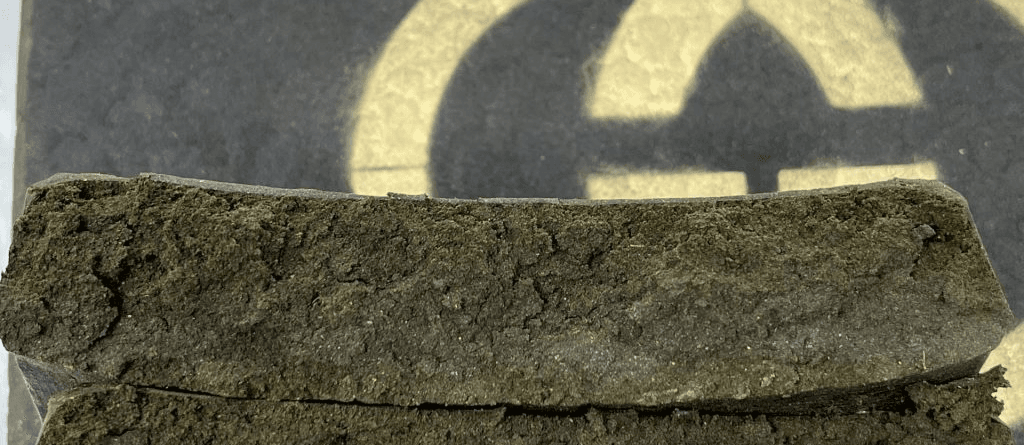
Hashish, often simply called “hash,” is one of the world’s oldest and most respected cannabis concentrates. For centuries, it has been the centerpiece of spiritual rituals, medicinal healing, and social gatherings from the foothills of the Himalayas to the bustling markets of Morocco. Unlike modern chemical extracts, hashish is a mechanical concentrate made by isolating the plant’s resin-rich trichomes.
This guide explores the fascinating evolution of hash from ancient “charas” to modern “full-melt” bubble hash, providing you with everything you need to know about its potency, cultural heritage, and how to find the best quality in Canada’s legal market.
Key Takeaways
- The Trichome Factory: Hash is essentially a collection of compressed trichomes – the tiny glands that house the plant’s THC and aromatic terpenes.
- Old World vs. New World: Traditional hash (like Afghan or Moroccan) uses dry-sieving or hand-rubbing, while modern methods (like Bubble Hash) use ice water for extreme purity.
- The “Hash Smell”: Aged hash contains a unique terpene called hashishene, which is formed through oxidation and isn’t found in fresh flower.
- Higher Potency: Because it is concentrated resin, hash typically contains 30% to 60% THC, offering a much more robust experience than standard flower.
What is Hashish? Understanding the Origins of the “Original Concentrate”
Hashish is the original cannabis extract. While the exact date of its discovery is lost to time, archaeological evidence suggests that humans have been separating resin from the plant for at least 1,000 years.
The term “hashish” comes from the Arabic word for “grass,” and its history is deeply intertwined with the Silk Road, where it was traded as a luxury good alongside spices and silks. Whether eaten as an edible in medieval Egypt or smoked in the “Hashischins” clubs of 19th-century Paris, hash has always been regarded as a premium, more refined version of the cannabis plant.
The magic of hash lies in the trichomes. These are the microscopic, crystal-like structures that coat the surface of a mature cannabis bud. They act as the plant’s defense mechanism, producing sticky resin to ward off predators, but for humans, they are the source of all psychoactive and therapeutic effects.
By separating these glands from the “green” plant material (leaves and stems), hash makers create a product that is significantly more potent, flavorful, and shelf-stable than dried flower.
Exploring the Varieties: From Charas to Bubble Hash
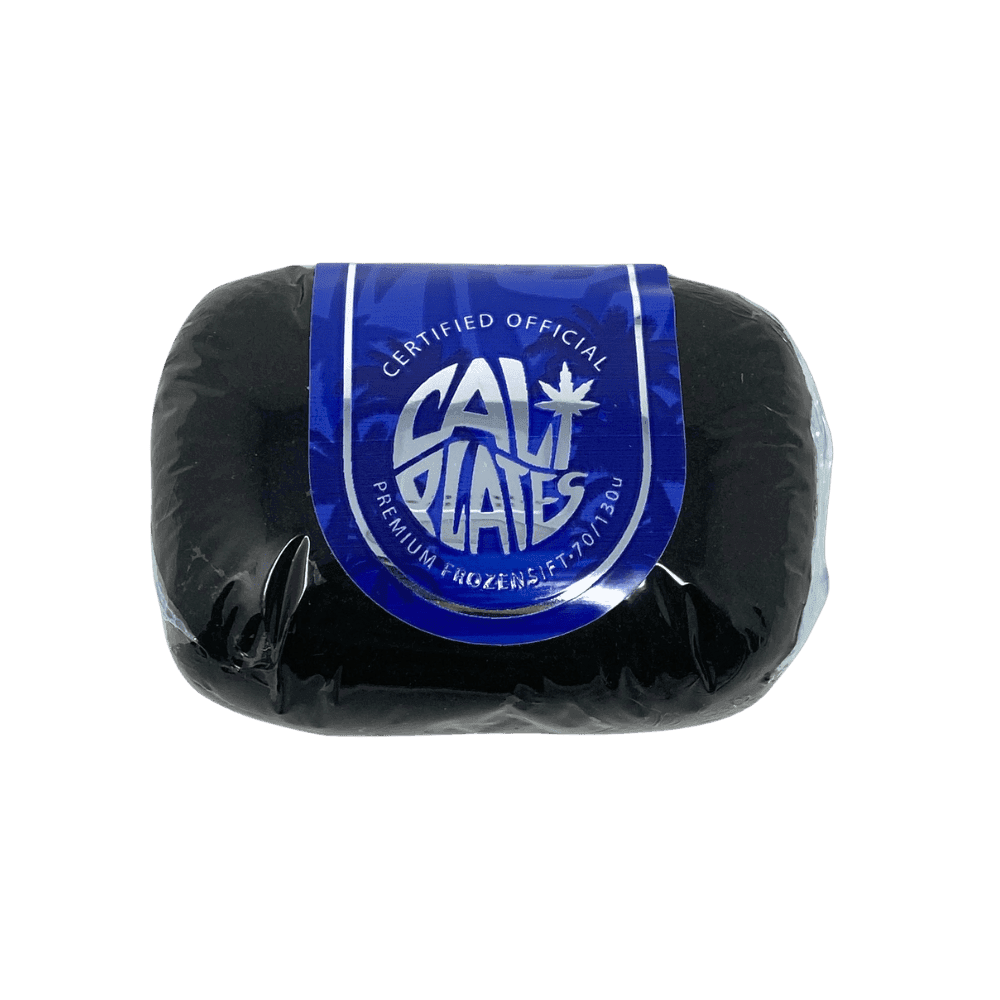
The world of hashish is incredibly diverse, with each producing region developing its own unique style and flavor profile. Traditional varieties are often classified by their geographical origin and the labor-intensive methods used to create them.
For instance, Charas is made in India and Nepal by rubbing live plants between the palms until a thick, black resin accumulates. Afghan Hash is known for its “plasticine” consistency and spicy, earthy notes, while Moroccan Hash is typically dry-sifted and pressed into brittle, sandy blocks ranging from yellow to dark brown.
In contrast, modern “New School” hash focuses on mechanical purity using water or pressure. Bubble Hash (Ice Water Hash) uses sub-zero temperatures to freeze and snap trichomes off the plant, resulting in a product that can be so pure it vaporizes completely, referred to as “Full Melt.”
Rosin is another modern favorite, created by applying heat and pressure to either flower or hash to squeeze out a translucent, honey-like sap.
These modern solventless methods are prized by connoisseurs for preserving the “fresh” terpene profile of the plant without the use of chemical solvents like butane or CO2.
| Hashish Type | Production Method | Common Origin | Texture/Consistency |
| Charas | Hand-Rubbing (Live) | India / Nepal | Soft, black, oily |
| Afghan | Sieving & Pressing | Afghanistan | Malleable, dark, dense |
| Moroccan | Dry-Sieving | Morocco | Crumbly, light brown |
| Bubble Hash | Ice Water Extraction | Global (Modern) | Sandy or “greasy” wax |
| Hash Rosin | Heat & Pressure | Global (Modern) | Translucent sap/budder |
The Effects and Benefits: Why Consumers Choose Hash
The experience of consuming hashish is often described as “heavier” and more “enveloping” than smoking flower. Because it is a concentrated form of THC, the onset is rapid and the effects are long-lasting. Users often report a profound “body stone” coupled with a dreamy, euphoric mental state.
This makes it a popular choice for experienced consumers looking for deep relaxation or relief from chronic symptoms that flower alone cannot address. Additionally, the presence of CBN in aged traditional hash provides a sedative quality that is highly effective for treating insomnia.
Beyond the “high,” hashish offers a unique flavor profile that flower cannot replicate. During the aging process of traditional hash, a chemical transformation occurs where the terpene myrcene oxidizes into a rare compound called hashishene. This is what gives authentic hash its iconic spicy, earthy, and “incense-like” aroma.
For flavor-seekers, hashish represents a more complex sensory experience, offering notes of sandalwood, cedar, and dark fruit that develop over months of curing, much like a fine wine or aged cheese.
Buying Hash Online in Canada: Safety and Quality
Since legalization, Canadians have access to a wide variety of high-quality hashish products through reputable online dispensaries. When shopping for hash, it is important to look for indicators of quality. High-grade hash should have a strong, pleasant aroma and should never smell like grass or mold.
For traditional styles, the “bubble test” is a classic sign of quality: when a flame is applied, the resin should sizzle and bubble, indicating a high oil content. If it just catches fire or smells like burning wood, it likely contains too much plant matter or “filler.”
WeedPosters.io specializes in sourcing elite, craft-quality hashish for the Canadian market. From authentic imported styles to premium domestic LSO-grown bubble hash, they prioritize products that honor the traditional art of hash making.
By choosing a trusted source, you ensure that your hash is free from contaminants and has been stored in climate-controlled conditions to preserve those delicate, aged terpenes. All orders are shipped in discreet, smell-proof packaging, bringing the world’s finest concentrates directly to your door with total privacy.
FAQs
1. How do I smoke hashish?
Hash is incredibly versatile. You can crumble it into a joint (a “snake”), mix it with flower in a bowl, use a dedicated hash pipe, or even vaporize high-grade “full-melt” bubble hash in a dab rig. Traditionalists often enjoy the “bottle-toke” or “hot knives” methods for an old-school experience.
2. Why is some hash black and other hash yellow?
The color is determined by the age of the plant at harvest and the amount of plant material (contaminants) present. Lighter “blonde” hash usually comes from early-harvested trichomes with less oxidation, while darker “black” hash is often hand-rubbed from mature plants or aged for long periods, causing the resin to darken and become more oily.
3. Does hash expire?
Hash is much more stable than flower and can last for years if stored correctly. In fact, many traditional varieties are intentionally “cured” for months to develop better flavor. To keep it fresh, store it in an airtight glass jar in a cool, dark place to prevent the THC from degrading into CBN too quickly.
4. Is hash stronger than wax or shatter?
Generally, no. Modern solvent-based extracts like shatter can reach 80% to 90% THC, while traditional hash usually sits between 40% and 60%. However, hash is often preferred for its “full-spectrum” effects, as it preserves more of the plant’s natural profile and offers a more balanced, “natural” high.
5. What makes “Full Melt” hash special?
“Full Melt” refers to the highest grade of solventless concentrate (usually 5-star or 6-star bubble hash). It is so pure – meaning it contains only the resin heads and no plant stalks or leaf matter – that it leaves no residue behind when heated. This is considered the pinnacle of hash making.
Leave a Reply
You must be logged in to post a comment.