
Cannabis consumption has evolved far beyond the classic hand-rolled joint. Today, Canadian consumers who buy weed online can choose from an array of methods that prioritize everything from rapid onset and intense potency to long-lasting effects and total discretion.
Whether you’re a newcomer looking for a gentle introduction or a seasoned connoisseur seeking the purest flavour, matching the consumption method to your lifestyle and preferences is key. This guide explores the mechanical differences, how each method interacts with your body, and the modern delivery options available to help you curate your ideal experience.
Key Takeaways
- Pharmacokinetic Variety: Each method interacts with your body differently, with onset times ranging from seconds (smoking/vaping) to hours (edibles).
- Bioavailability Matters: Inhaled methods offer high immediate absorption, while sublingual drops bypass the first-pass metabolism of the liver for a faster effect than food.
- Combustion-Free Options: Vaporization and edibles are increasingly popular among consumers looking to skip the byproducts of combustion entirely.
- Discretion Is King: In the modern Canadian landscape, odorless vapes and unmarked delivery packaging have made privacy a top priority for consumers.
The Science of Onset: Understanding Your Body’s Response
When you consume cannabis, its cannabinoids (like THC and CBD) must enter your bloodstream and cross the blood-brain barrier to take effect. The delivery vehicle you choose determines exactly how long that process takes and how intense the experience will be. Inhalation methods like smoking and vaping deliver cannabinoids directly to the lungs, where they’re absorbed almost instantly into the pulmonary circulation.
In contrast, edibles represent a long-haul journey. The THC must travel through the digestive tract and into the liver. Here, it undergoes first-pass metabolism, transforming into 11-hydroxy-THC. This metabolite is significantly more potent and has a much easier time reaching the brain, which is why an edible high often feels heavier and more physical than one from a joint.
Comparing Primary Consumption Methods
The following table provides a clear breakdown of the most common ways to consume cannabis in Canada, helping you weigh the pros and cons of each.
| Method | Onset Time | Duration | Notes | Best For |
|---|---|---|---|---|
| Smoking | Immediate | 1–3 Hours | Combustion involved | Traditionalists, Ritual |
| Vaping | 1–5 Minutes | 1–3 Hours | No combustion | Discretion, Flavour |
| Edibles | 30–90 Minutes | 4–8 Hours | Metabolic delay; liver-processed | Long-lasting effects |
| Dabbing | Immediate | 1–3 Hours | Very high potency | High-tolerance users |
| Sublingual | 15–45 Minutes | 2–4 Hours | Bypasses digestive tract | Precise dosing |
| Topicals | 15–30 Minutes | Varies | Localized, non-psychoactive | Targeted application |
Vaping vs. Smoking: The Shift Toward Vaporization
While smoking remains the most culturally significant method, vaporization has become the go-to for consumers who want to skip combustion entirely. By heating cannabis – whether it’s AAAA+ flower or a live resin cartridge – to a temperature just below combustion (typically between 315°F and 450°F), you release the active cannabinoids and terpenes without burning the plant material.
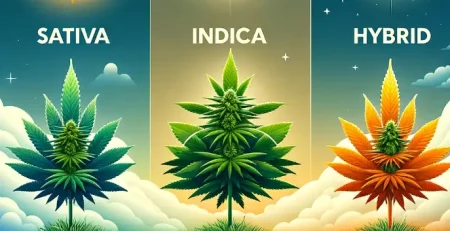
Beyond that, vaping is the ultimate tool for flavour-chasing. Lower temperatures preserve the delicate terpene profiles that are often destroyed by the high heat of a lighter. This lets you experience the true essence of a strain, from the citrusy zest of a sativa to the deep, peppery earthiness of an indica. THC vape pens have become a staple for the modern, on-the-go Canadian consumer.
The Potency of Dabbing: A Connoisseur’s Territory
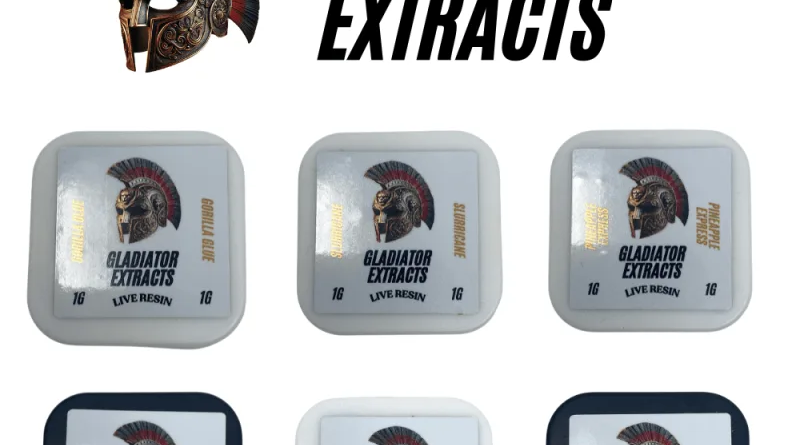
For those with a high tolerance or a preference for immediate, powerful effects, dabbing is the method of choice. This involves vaporizing a small amount of highly concentrated extract – like wax, shatter, or diamonds – on a heated surface. Dabs can contain upwards of 80% to 90% THC, meaning a single inhale can deliver the equivalent effect of a full joint.
Temperature control is paramount in dabbing. Modern users often rely on electronic e-nails or infrared thermometers to ensure they’re dabbing at low temp (400°F–500°F). High-temperature dabbing can scorch the concentrate and produce harsh vapour, whereas low temperatures maximize the terpene flavour and deliver a smoother draw.
The Edible Experience: Why the Liver Changes Everything
While smoking or vaping offers immediate onset, cannabis edibles provide a fundamentally different physiological journey. When you ingest a cannabis product – be it a gummy, chocolate, or beverage – it must first navigate your digestive system before being processed by the liver.
In the liver, Delta-9 THC undergoes a chemical transformation into 11-hydroxy-THC. This metabolite is much more potent and possesses a higher affinity for crossing the blood-brain barrier than its inhaled counterpart. That’s why a 10 mg edible often feels vastly more powerful and delivers a deeper body stone than a 10 mg dose of smoked flower.
The Edible Menu: From Gummies to Nano-Drinks
The Canadian edible market has expanded into a diverse landscape. Gummies and hard candies remain the most popular due to their shelf stability and ease of portioning – they’re the go-to for consistent, predictable effects. Chocolates and baked goods are often preferred by those seeking a more indulgent experience; the natural fats in cocoa butter and dairy act as excellent carriers for cannabinoids, potentially aiding in smoother absorption.
A newer innovation taking the Canadian market by storm is cannabis-infused beverages. Unlike traditional solid edibles that can take up to two hours to kick in, many modern drinks use nano-emulsification. This technology breaks THC into microscopic particles that can be absorbed through the lining of the mouth and stomach, often resulting in an onset time as fast as 15 to 30 minutes.
This makes beverages a more sessionable social option, mimicking the tempo of a traditional cocktail. Browse the full selection of cannabis edibles to find the format that fits your style.
Topicals and Sublinguals: Non-Psychoactive and Precise Options
Not every cannabis experience needs to be psychoactive. Topicals (creams, balms, and patches) are designed to interact with the cannabinoid receptors in the skin and muscles without entering the bloodstream in significant amounts. This makes them a targeted, non-psychoactive option that lets you stay clear-headed throughout the day.
Sublingual tinctures offer a unique middle ground. By placing a few drops of oil under the tongue, the cannabinoids are absorbed through the sublingual mucosa, bypassing the liver’s slow metabolic process. This results in an onset that’s faster than an edible (usually within 15 to 45 minutes) but more controlled and discreet than smoking.
Every Method, One Destination: Your Guide to Shopping at WeedPosters.io
In the modern Canadian landscape, how you get your cannabis is just as important as how you consume it. WeedPosters.io prioritizes discretion at every step of the journey – all orders are shipped in plain, unmarked, and vacuum-sealed packaging. No logos, no labels that indicate what’s inside.
From our curated selection of craft flower graded AAA through AAAA+ to our high-dose edibles and premium extracts, we carry every consumption method covered in this guide. Whether you’re after the ritual of rolling a joint with top-shelf flower or the modern convenience of a sleek vape pen, we deliver the finest craft cannabis products in Canada with speed, security, and absolute discretion.
FAQs
1. Is dabbing a good starting point for new consumers?
Generally, no. Because dabs are extremely potent (often 80–90% THC), they can be overwhelming without an established tolerance. We recommend starting with flower or low-dose edibles and working up to concentrates as your experience grows.
2. Can I use topicals without psychoactive effects?
Yes. Most topicals are non-psychoactive because they don’t penetrate the bloodstream in significant amounts. They interact with cannabinoid receptors locally, so you stay clear-headed throughout.
3. Why do edibles take so long to kick in?
Unlike inhalation, which goes directly to the blood, edibles must be digested. Factors like your metabolism, what you’ve eaten that day, and your body composition all play a role in how long it takes for the liver to process the THC.
4. What is the advantage of LSO flower?
Living Soil Organics (LSO) refers to a natural growing method that focuses on the health of the soil. This often results in a cleaner, smoother smoke and a more robust terpene profile compared to conventionally grown flower.
5. How do I choose between a sativa or an indica edible?
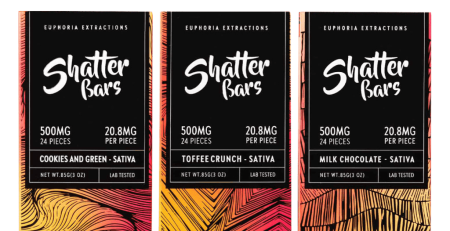
While the deep body stone of an edible is consistent across types, sativa-infused edibles are often paired with uplifting terpene profiles for a daytime vibe, while indica edibles lean toward a heavier, wind-down experience. Always check the strain description for the best fit.
Leave a Reply
You must be logged in to post a comment.