
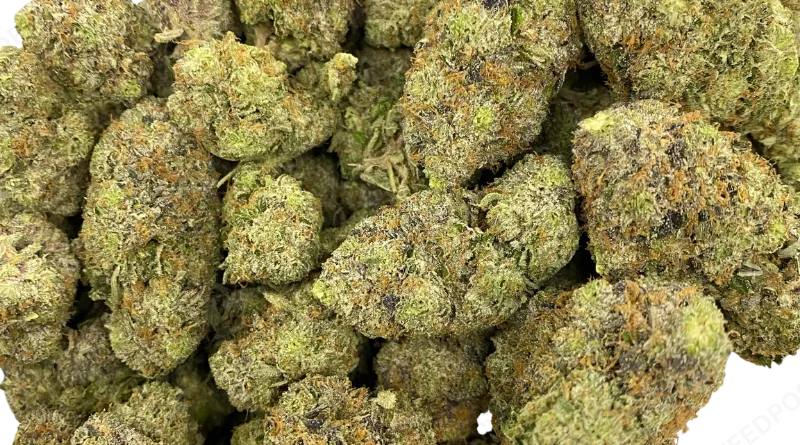
For experienced cannabis consumers in Canada, AAAA flower – commonly known as “quads” – represents the threshold where everything clicks. AAAA weed strains are the product of dialled genetics, meticulous grows, patient cures, and flower that delivers on every front: appearance, aroma, flavour, and potency.
But what actually earns a strain that coveted quad-grade designation? With so many dispensaries slapping AAAA labels on their inventory, understanding what separates genuinely elite flower from product that’s been graded generously is essential. The difference between a true quad and a dressed-up triple-A isn’t subtle – and once you’ve experienced it, there’s no going back.
This guide dives into what defines AAAA weed strains, the characteristics that set them apart, and some of the most consistently impressive quad-grade cultivars available to Canadian consumers right now.
Key Takeaways
- AAAA (quad) weed represents premium-tier cannabis with superior genetics, cultivation, and post-harvest care
- True quad-grade flower is defined by dense trichome coverage, complex terpene profiles, a proper cure, and potent effects
- Popular AAAA weed strains in Canada span indica, sativa, and hybrid categories – each delivering a distinct experience
- The gap between AAAA and AAAA+ comes down to exceptional execution at every stage, from seed to seal
- Buying quads from a trusted source matters – grading isn’t standardized, so reputation and consistency are your best filters
What Does AAAA Actually Mean in Canada’s Cannabis Grading System?
Canada’s cannabis grading system ranks flower on a scale from A (lowest) to AAAA+ (highest), based on a combination of factors: visual appeal, trichome density, aroma complexity, flavour, smoothness of smoke, potency, and the overall quality of the cure and trim.
AAAA sits at the premium tier – one step below the absolute peak of AAAA+. At the quad level, you should expect dense, well-structured buds blanketed in trichomes, a terpene profile that hits hard on the nose and carries through to the exhale, a smooth burn with clean white ash, and effects that match or exceed the strain’s reputation.
This grading system isn’t regulated or standardized by any governing body – it’s an industry convention that Canadian dispensaries and growers use to communicate cannabis quality. That means a AAAA from one source might not match the same grade from another, which is why shopping from dispensaries with a track record for accurate, consistent grading is important.
The Anatomy of a True Quad: What to Look For
Trichome Density and Potency
The most immediate visual marker of quad-grade flower is frost. True AAAA buds are coated in a thick, even layer of trichomes – the resin glands responsible for producing cannabinoids and terpenes. Under a loupe, the trichome heads should appear mostly milky white (indicating peak THC content) with some amber heads for a balanced effect.
This trichome density translates directly to potency. Premium weed strains at the AAAA tier typically test in the 25-32% THC range, though potency is only part of the equation – terpene content and the interplay between cannabinoids (the entourage effect) matter just as much for the overall quality of the high.
Aroma and Terpene Complexity
Quad-grade flower doesn’t just smell good – it smells layered. When you crack open the bag, you should be hit with a complex bouquet that evolves as you break the bud apart. Gas strains might lead with fuel and skunk, then reveal undertones of pine or earth. Fruity cultivars layer tropical sweetness over floral or citrus notes.
The key difference between a AAA and a AAAA is often terpene depth. A triple-A might have a pleasant smell; a quad makes you pause and take a second whiff because there’s more going on beneath the surface.
Structure, Trim, and Cure
AAAA buds are typically dense and well-formed, with a tight structure that reflects healthy plant development and optimal growing conditions. The trim should be clean – hand-trimmed is ideal – with minimal sugar leaf remaining. And the cure needs to be spot-on: slow-dried and jar-cured to preserve moisture balance (58-62% RH) and allow terpenes to develop fully.
A rushed cure is one of the most common things that keeps otherwise strong flower from reaching quad status. If the bud smells like hay, burns harsh, or produces dark ash, the cure likely falls short.
Elite AAAA Weed Strains Worth Knowing
The Canadian market sees a rotating roster of quad-grade strains, but several cultivars have earned consistent AAAA ratings across multiple harvests and growers.
Gas-Forward Indicas
The Pink Gas family dominates this category. Strains like Pink Kush, Pink Death, and Platinum Pink deliver that unmistakable gassy, dank profile – fuel-forward on the nose with deep physical relaxation on the effects side. These are session-ending strains built for evening use. The Kush lineage runs strong through most of them, producing dense, compact nugs that reek of earth and diesel.
Bubba Kush and its crosses (Rockstar Bubba, Pre-98 Bubba) are another quad-level staple. Expect heavy, deeply relaxing effects with coffee, chocolate, and earthy terpenes.
Exotic and Hybrid Cultivars
On the exotic side, strains like Gelato, Runtz, and their offspring consistently hit AAAA when grown by skilled cultivators. These tend to feature sweeter, more dessert-forward terpene profiles – creamy, fruity, and smooth – with balanced hybrid effects that work for both day and evening use.
LSO-grown exotic cultivars take things a step further. Living soil organic cultivation enhances terpene expression and produces a cleaner, more flavourful smoke. When a quad-grade strain is grown in living soil, the result is often indistinguishable from AAAA+ territory.
Sativa-Dominant Quads
True sativa-dominant quads are rarer but worth seeking out. Strains like Jack Herer, Durban Poison, and Green Crack can hit AAAA status when the genetics and growing conditions align. Expect uplifting, cerebral effects with energizing terpene profiles heavy on limonene and pinene.
AAAA vs. AAAA+: Where’s the Line?
The jump from AAAA to AAAA+ is less about a single factor and more about flawless execution across every dimension. AAAA+ flower typically features:
- Exceptional genetics from proven, often exclusive cultivars
- Maximum trichome density with perfectly mature heads
- A terpene profile so loud it fills the room when the bag opens
- Flawless trim and a slow, meticulous cure
- Clean white ash and smooth smoke from first hit to last
Think of AAAA as “excellent” and AAAA+ as “nothing could be better.” Both deliver a premium experience, but AAAA+ represents the absolute ceiling of what quad weed can be.
Why Source Matters More Than the Label
Because grading isn’t standardized, the label “AAAA” is only as trustworthy as the dispensary behind it. Some shops grade conservatively and earn their quad labels; others inflate grades to justify higher prices.
The best approach is to find a source with a consistent track record. Look for dispensaries that provide clear photography (not stock images), detailed strain descriptions, and a grading philosophy you can verify over multiple purchases. A dispensary that accurately grades its budget flower as AA or AAA – rather than calling everything a quad – is more likely to be honest when they stamp something AAAA.
Customer reviews and community reputation matter here too. If a dispensary’s quads are consistently praised by experienced consumers, that’s a stronger signal than any grade label alone. Browse the full cannabis flower selection to see what’s currently available across every tier.
Elevate Your Sessions With Genuine AAAA Weed Strains
AAAA weed strains aren’t just about bragging rights – they’re about a genuinely superior AAAA cannabis experience. When every element aligns – genetics, grow, cure, trim, and terpenes – the result is flower that delivers flavour, potency, and smoothness at a level that lower tiers simply can’t touch. Health Canada regulates the legal framework around cannabis in Canada, but the grading system itself remains an industry-driven quality standard that rewards craft and consistency.
Whether you lean toward gassy indicas, sweet exotic hybrids, or energizing sativas, there’s a quad-grade strain out there that fits your preference. The key is knowing what to look for and buying from a source you trust. Once you’ve dialled in both, every session hits different.
Frequently Asked Questions
What does AAAA (quad) weed mean?
AAAA – commonly called “quads” – is the second-highest grade in Canada’s cannabis quality scale, sitting just below AAAA+. It indicates premium flower with dense trichome coverage, a complex terpene profile, a proper cure, and potent effects. The designation isn’t government-regulated; it’s an industry convention used by Canadian dispensaries.
Is AAAA weed worth the price?
For most experienced consumers, yes. The jump from AAA to AAAA is noticeable in trichome density, aroma complexity, flavour, and overall effect quality. If you value the full sensory experience of cannabis – not just the potency – quads deliver meaningfully more than lower tiers. Buying in bulk or watching for drops can help manage the price.
How do I know if a AAAA label is accurate?
Since grading isn’t standardized, look for consistency from the dispensary. A shop that honestly grades its lower-tier flower (AA, AAA) and provides real photography and detailed strain information is more likely to grade quads accurately. Community reviews and repeat purchases are the best way to verify over time.
What strains are commonly rated AAAA in Canada?
Popular quad-grade strains include Pink Kush, Platinum Pink, Rockstar Bubba, Gelato, Runtz, and various LSO-grown exotic cultivars. Gas-forward indicas and dessert-profile hybrids dominate the quad tier, though well-grown sativas like Jack Herer and Durban Poison also earn AAAA ratings when cultivated properly.
What’s the difference between AAAA and AAAA+ weed?
AAAA+ represents the absolute peak of cannabis quality – flawless genetics, maximum trichome maturity, exceptionally loud terpenes, a perfect cure, and clean white ash. AAAA is “excellent”; AAAA+ is “nothing could be improved.” The difference is subtle but unmistakable to experienced consumers, particularly in terpene complexity and smoothness of smoke.






Leave a Reply
You must be logged in to post a comment.