
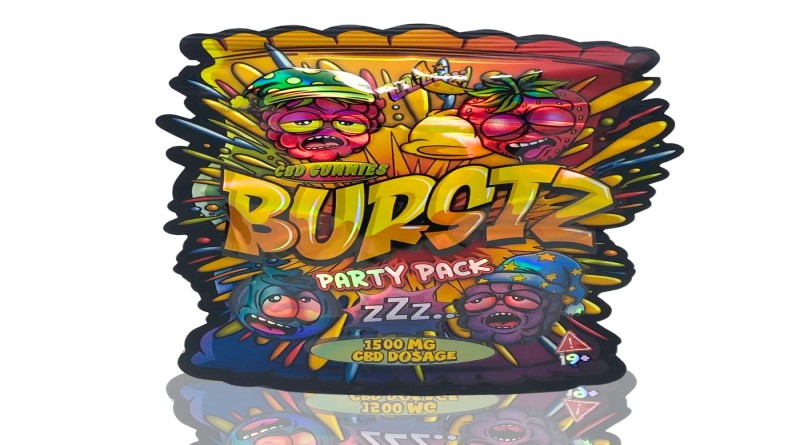
THC gets you high. CBD doesn’t. That single distinction is the reason CBD vs THC is the first thing worth understanding before you buy any cannabis product in Canada – because it decides, more than any strain name or price, what the product will actually do.
Both are cannabinoids, both come from the same plant, and they’re often mentioned in the same breath. But they behave differently in the body, and mixing them up is how people end up with a product that does the opposite of what they expected. Here’s the plain version.
The short answer
CBD (cannabidiol) is non-intoxicating: on its own, it does not produce the “high” associated with cannabis. THC (tetrahydrocannabinol) is intoxicating: it’s the compound responsible for that high. A product high in THC will be psychoactive; a product that is CBD-only will not get you high. Everything else is detail on top of that.
Key takeaway: If you want to avoid feeling intoxicated, you’re looking for CBD-forward products. If the “high” is the point, that’s THC.
What CBD is
CBD is one of many compounds found in the cannabis plant. It’s the one most associated with a clear-headed, non-intoxicating experience, which is why it appears in CBD oils, capsules, topicals, and CBD-forward flower. Users commonly describe CBD-forward products as producing little to no intoxication – you generally stay clear-headed.
Because CBD doesn’t get you high, people often reach for it when they specifically don’t want to feel altered. We’re describing what the compound is and how people use it – not making any health or therapeutic claim about outcomes.
What THC is
THC is the intoxicating cannabinoid – the one that produces the effects most people picture when they think of cannabis. It’s measured on labels as a percentage (in flower and concentrates) or in milligrams (in edibles and oils), and the number tells you how potent the product is likely to be.
Users describe THC’s effects in a wide range of experiential terms depending on the strain and dose. What matters at the buying stage is simpler: more THC means a stronger intoxicating effect, so a beginner should treat high-THC products with respect.
CBD vs THC at a glance
| CBD | THC | |
| Intoxicating (“high”)? | No | Yes |
| Typical labelling | mg or % | mg or % |
| Common formats | Oils, capsules, topicals, CBD flower | Flower, vapes, edibles, concentrates |
| Who reaches for it | People wanting a clear-headed option | People wanting the classic cannabis effect |
What “ratio” products are
You’ll also see products labelled with a ratio, like 1:1 or 2:1 CBD:THC. These contain both compounds in a stated proportion. A balanced ratio product still contains THC, so it can still be intoxicating – the CBD doesn’t cancel the THC out. Read the actual mg of THC, not just the presence of CBD, to know what you’re getting.
This is exactly the kind of label-reading skill that separates a confident buyer from a confused one. If you’re brand new to any of this, our guide to cannabis for beginners covers formats, dosing, and “start low, go slow” from scratch.
How this changes what you buy
Once you know the CBD/THC split, product pages stop being intimidating:
- Want no high? Look for CBD-only or CBD-dominant products and check that THC is minimal.
- Want the classic effect? THC-forward products, dosed to your experience level.
- Not sure? A balanced ratio is a middle option – but remember it still contains THC.
When you’re ready to see CBD-specific options, the Buy CBD Online category lists the formats available. And because choosing between products is its own skill, our guide on how to choose the best cannabis products online walks through matching a product to what you actually want – the sensible next step once the CBD-vs-THC basics click.
High or Clear-Headed: Start With That Question
CBD and THC come from the same plant but answer two different questions: do you want to feel intoxicated, or not? Get that straight and every other decision – format, dose, strain – gets easier.
If CBD is where your interest sits, the deeper dive into CBD in Canada – the formats, strengths, and how to pick between them – is the natural place to go next. Start by browsing the Buy CBD Online selection to see what the formats look like in practice.
FAQ
Q1. Does CBD get you high?
Ans. No. CBD is non-intoxicating and does not produce a high on its own. That’s the core difference from THC.
Q2. Does THC get you high?
Ans. Yes – THC is the intoxicating cannabinoid responsible for the “high” associated with cannabis.
Q3. Can I take CBD and still function normally?
Ans. Users commonly report staying clear-headed with CBD-only products since they aren’t intoxicating, though individual responses vary.
Q4. What does a 1:1 CBD:THC ratio mean?
Ans. It means the product contains roughly equal amounts of each. It still contains THC, so it can still be intoxicating – check the mg of THC.
Q5. Is CBD legal in Canada?
Ans. Yes, CBD products are legal for adults 19+ (18+ in AB/QC), the same as other cannabis products.
Q6. Will CBD show up on a drug test?
Ans. Drug tests typically screen for THC, not CBD, but some CBD products contain trace THC. If testing is a concern, check the product’s THC content.
Q7. Which should a beginner start with, CBD or THC?
Ans. People wanting to avoid intoxication often start with CBD; those wanting the classic effect start with a low dose of THC. Either way, start low.
Q8. Is CBD flower the same as regular weed?
Ans. It looks similar but is bred to be high in CBD and low in THC, so it’s far less intoxicating than typical THC-dominant flower.
Q9. Can CBD reduce the high from THC?
Ans. Some users report CBD makes the THC experience feel different, but it doesn’t reliably cancel intoxication. A ratio product with THC can still get you high.
Q10. What format is best for CBD?
Ans. It depends on preference – oils and capsules are measured and discreet, topicals are applied to the skin, and CBD flower can be smoked. Choose by how you want to use it.

Leave a Reply
You must be logged in to post a comment.