
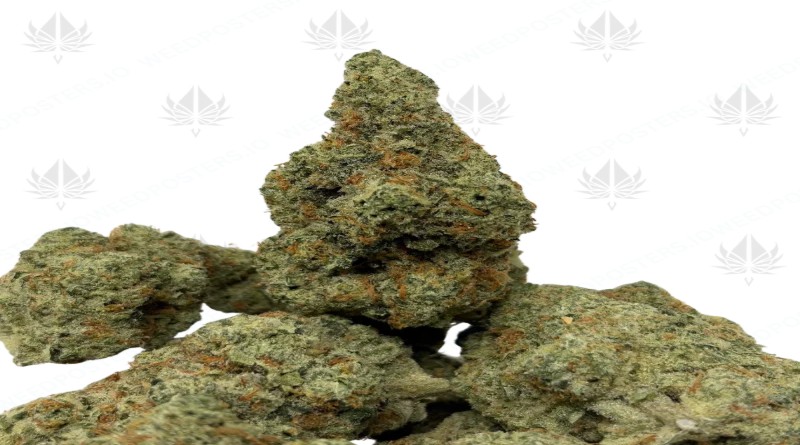
The raw cannabinoid in fresh flower, before it becomes THC – that’s the one-line version of what THCA is. If you’ve seen “THCA” on a lab report or product page and wondered why it’s listed separately from THC, this explains the relationship in plain terms, with no health claims and no jargon left undefined.
The short answer
THCA (tetrahydrocannabinolic acid) is the raw, acidic form of the cannabinoid found in fresh, unheated cannabis. In that raw state it is non-intoxicating – it won’t get you high. When cannabis is heated (smoked, vaped, or baked), THCA converts into THC, the intoxicating compound. So THCA is essentially THC’s precursor: the “before” to THC’s “after.”
Key takeaway: Raw flower is rich in THCA, not THC. Heat is what turns one into the other.
What THCA actually is
Living and freshly harvested cannabis doesn’t contain much THC at all – it’s loaded with THCA instead. THCA is a larger, acidic molecule that sits in the plant’s trichomes. On its own, it does not produce intoxication.
That’s why eating a fresh cannabis leaf won’t get you high, but smoking dried, cured flower will. The difference isn’t the plant – it’s whether the THCA has been converted.
How THCA becomes THC: decarboxylation
The conversion has a name: decarboxylation, usually shortened to “decarbing.” It’s simply the chemical change that happens when THCA is exposed to heat (and, more slowly, time and light). Heat knocks off part of the acidic molecule and leaves behind THC.
This happens automatically when you:
- Smoke flower – the flame decarbs it instantly.
- Vape – heat does the same in the chamber.
- Bake edibles – which is why recipes heat the cannabis before mixing it in.
It’s also why homemade edibles fail when people skip the decarb step: without heat first, much of the cannabis is still THCA and stays non-intoxicating.
THCA vs THC at a glance
| THCA | THC | |
| Found in | Fresh, unheated cannabis | Heated/cured cannabis |
| Intoxicating? | No | Yes |
| Molecule | Acidic precursor | Active form |
| Turns into the other via | Heat (decarboxylation) | – |
Why THCA appears on lab reports and labels
Here’s the part that confuses buyers. A lab report often lists THCA and THC separately, plus a “Total THC” figure. That total accounts for the fact that most of the THCA will convert to THC when you consume it. So a flower showing high THCA is a flower that will be potent once heated – even though the “active THC” number looks lower on paper.
Understanding this stops you from misreading a label as weak when it’s actually strong. It’s closely tied to how quality and potency are described on Canadian menus – which is exactly what cannabis grading explained covers, from AA up to AAAA+ and terms like LSO.
If you’re still building the basics, our guide to cannabis for beginners lays out formats, THC/CBD, and dosing from the ground up.
Does THCA matter when you’re shopping?
For most buyers, the practical takeaway is simple: the flower you buy is described by its potency once consumed, and heat is what unlocks it. You don’t need to track THCA yourself – but knowing it exists explains why raw and heated cannabis behave so differently, and why lab numbers are split the way they are.
If you’re chasing potency specifically, our rundown of the strongest weed and top strains is a useful companion, and the existing grading explainer shows how top-tier flower is classified. When you want to browse actual flower, the Shop Cannabis catalogue is organized by grade and type.
Heat Is the Switch
THCA and THC aren’t rivals – they’re the same compound at two stages, with heat as the switch between them. Once that clicks, lab reports and “total THC” figures stop being mysterious.
The natural next step is understanding how that potency gets labelled and graded on the menu. See how to read quality and choosing between products in our buyer’s guide to cannabis online – it’s where potency knowledge turns into a confident purchase.
FAQ
Q1.What is THCA in simple terms?
Ans. It’s the raw, non-intoxicating form of THC found in fresh cannabis. Heat converts it into the intoxicating THC.
Q2. Does THCA get you high?
Ans. No – in its raw form THCA is non-intoxicating. It only produces a high after it converts to THC through heat.
Q3. What is decarboxylation?
Ans. It’s the heat-driven chemical change that turns THCA into THC. Smoking, vaping, and baking all trigger it.
Q4. Why is THCA listed separately from THC on lab reports?
Ans. Because raw flower contains mostly THCA; the report shows both, plus a “Total THC” figure estimating potency after conversion.
Q.5 Is a high-THCA flower strong?
Ans. Generally yes, once heated – most of that THCA converts to THC when you smoke or vape it, so the flower can be quite potent.
Q6. Can I get high from eating raw cannabis?
Ans. Not meaningfully – without heat, the cannabis is still mostly THCA and stays non-intoxicating.
Q7. Why do edibles recipes heat the cannabis first?
Ans. To decarboxylate it. Skipping that step leaves the cannabis as THCA, so the edible won’t be intoxicating.
Q8. Is THCA the same as CBD?
Ans. No. CBD is a different, non-intoxicating cannabinoid. THCA is specifically the raw precursor to THC.
Q9. Does THCA convert to THC over time on its own?
Ans. Slowly – time, light, and warmth cause gradual conversion, but heat does it quickly and completely.
Q10. Do I need to worry about THCA when buying flower?
Ans. Not directly. Just know that a flower’s real strength shows once it’s heated, which is why “Total THC” matters more than the raw active number.
Leave a Reply
You must be logged in to post a comment.