
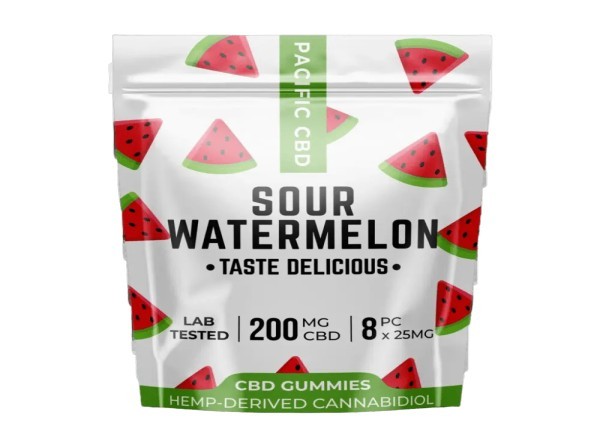
Finally, CBD that fits what you actually need. If you’ve decided CBD is what you’re after and just want to choose the right format and strength without wading through marketing, this is the practical guide. When you buy CBD online in Canada, the real decisions are format, potency, and how you prefer to use it – so that’s exactly what we’ll cover, plainly and without any health claims.
First, what CBD is (and isn’t)
CBD is the non-intoxicating cannabinoid – it won’t get you high the way THC does. That single fact is why people choose it when they specifically don’t want to feel intoxicated. If you’re still fuzzy on the distinction, our explainer on the difference between CBD and THC is the place to start before buying.
Everything below describes products, formats, and how to choose between them – not outcomes. We don’t make health, medical, or therapeutic claims about CBD.
Key takeaway: Choosing CBD is a format-and-strength decision, not a medical one. Match the format to how you want to use it, and read the mg to control potency.
The main CBD formats
Canadian menus generally offer CBD in a handful of formats, each suiting a different preference:
| Format | What it is | Chosen by people who want… |
| Oils / tinctures | Liquid taken by dropper | Precise, adjustable amounts |
| Capsules / softgels | Pre-measured swallowable doses | Convenience and consistency |
| Topicals | Balms and creams applied to skin | A non-ingested, localized option |
| Edibles / gummies | CBD in food or candy form | Familiar, measured, discreet use |
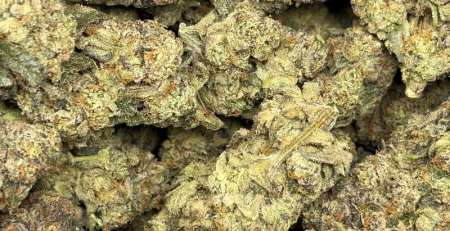
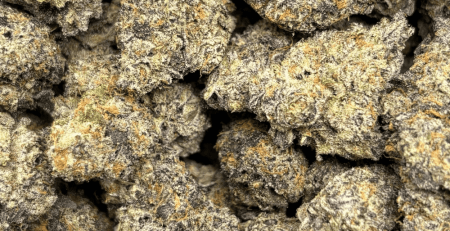
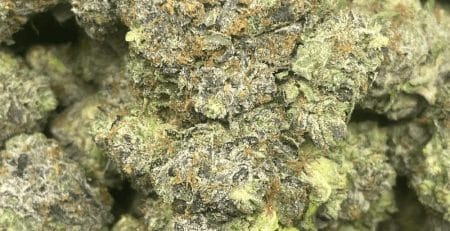
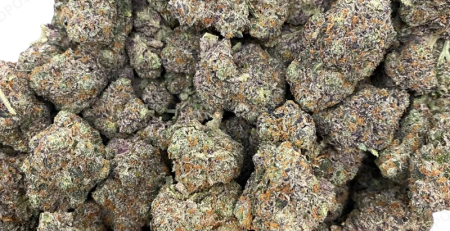
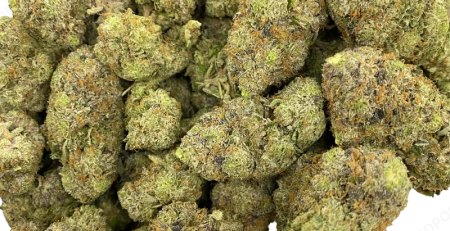
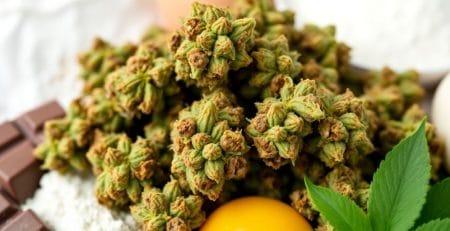
| CBD flower | High-CBD, low-THC flower | The ritual of flower without strong intoxication |
There’s no single “best” format – the right one is whichever fits how you actually want to use it day to day.
Understanding CBD strength
CBD is labelled in milligrams (mg). An oil might list total mg in the bottle plus mg per dropper; capsules and gummies list mg per unit. More mg means a stronger dose per serving.
The sensible approach mirrors all cannabis products: start with a lower amount, see how it fits, and adjust. This isn’t about chasing a number – it’s about finding the serving size that suits you and staying consistent with it.
Full-spectrum, broad-spectrum, and isolate
You’ll also see these three terms, which describe what else is in the product besides CBD:
- Full-spectrum – contains CBD plus other cannabinoids, including trace THC. That trace THC is usually minimal but present.
- Broad-spectrum – multiple cannabinoids but with THC removed.
- Isolate – pure CBD only, no other cannabinoids.
If avoiding THC entirely matters to you (for example, if you’re subject to drug testing), broad-spectrum or isolate is the safer read. Full-spectrum products contain that trace THC, so check the label.
How to choose the right CBD product
Bring it together and the decision is straightforward:
- Pick your format by how you want to use it – dropper, capsule, topical, edible, or flower.
- Pick your spectrum – isolate/broad-spectrum to avoid THC, full-spectrum if trace THC is fine.
- Pick your strength – start lower in mg and adjust to a serving that suits you.
For a broader framework on evaluating any cannabis product before you commit, the existing guide on how to choose the best cannabis products online is a useful companion. And if you’re newer to cannabis overall, the guide to cannabis for beginners covers the fundamentals.
When you’re ready to see what’s available, the CBD category lists the current formats and strengths in one place.
Matching CBD to Your Routine
Buying CBD well isn’t complicated once you stop looking for a magic product and start matching format, spectrum, and strength to your own preferences – that’s the whole decision.
Make it concrete: browse the Buy CBD Online selection, filter by the format that fits your routine, and start with a lower strength you can adjust from.
FAQ
- Can I buy CBD online in Canada?
Ans. CBD products are available to adults 19+ (18+ in AB/QC) in a range of formats and strengths.
- Does CBD get you high?
Ans. No. CBD is non-intoxicating and won’t produce a high on its own, which is the key difference from THC.
- What CBD format should I choose?
Ans. Whichever fits your routine – oils for adjustable dosing, capsules for convenience, topicals for a non-ingested option, edibles for familiarity, or CBD flower.
- What does the mg number on CBD mean?
Ans. It’s the amount of CBD per serving or per bottle. More mg means a stronger dose – start lower and adjust to what suits you.
- What’s the difference between full-spectrum, broad-spectrum, and isolate?
Ans. Full-spectrum includes trace THC; broad-spectrum has THC removed; isolate is pure CBD only. Choose based on whether you want to avoid THC.
- Will CBD make me fail a drug test?
Ans. Tests screen for THC, not CBD, but full-spectrum products contain trace THC. If testing is a concern, choose broad-spectrum or isolate.
- How much CBD should I start with?
Ans. Start with a lower mg serving, see how it fits, and adjust from there – the same “start low” approach used across cannabis products.
- Can I use CBD and THC products together?
Ans. You can, but they behave differently – THC is intoxicating and CBD is not. Read the mg of each so you know what you’re taking.
- What’s the difference between CBD oil and CBD capsules?
Ans. Oil lets you fine-tune the amount by dropper; capsules deliver a fixed, pre-measured dose for consistency and convenience.
Leave a Reply
You must be logged in to post a comment.