
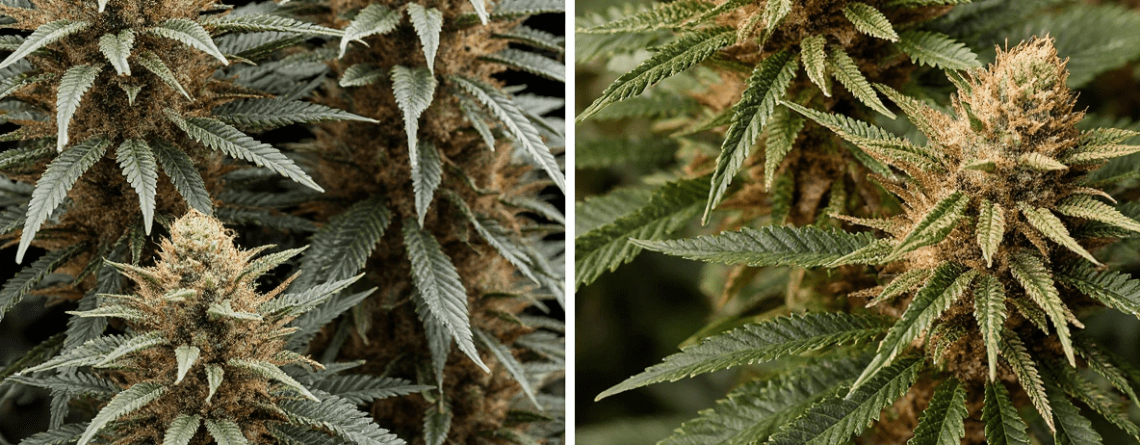
The cannabis world has exploded with terminology that can confuse even experienced consumers. Two terms frequently thrown around dispensaries and online forums are gas strains and exotic strains. Understanding the gas strains vs exotic strains difference is crucial for making informed purchasing decisions and finding the cannabis experience you’re seeking.
While both categories represent high-quality cannabis, they differ significantly in aroma profiles, visual appeal, breeding philosophy, and market positioning. This comprehensive guide breaks down everything you need to know about gas strains versus exotic strains.
Key Takeaways
- Gas strains deliver power and punch: Known for their pungent, fuel-like aromas and high THC content, gas strains represent the classic cannabis experience focused on potency and effect.
- Exotic strains showcase creativity and innovation: These strains highlight rare genetics, vibrant colors, and complex terpene profiles that emphasize flavor, aroma, and visual appeal.
- Aroma is the biggest differentiator: Gas strains lean toward diesel, skunk, and earthy tones, while exotic strains burst with fruity, dessert-like, or floral scents.
- Breeding philosophy separates them: Gas strains preserve traditional genetics like OG, Diesel, and Chem lineages. Exotic strains push the boundaries with modern crosses and limited-edition phenotypes.
- Visuals vs. potency: Gas strains focus on dense buds and heavy trichomes; exotics aim for colorful, crystalline flowers designed for “bag appeal.”
- Market positioning differs: Gas strains attract old-school consumers who value strength and reliability. Exotic strains appeal to trend-driven buyers and collectors seeking novelty.
- Blended hybrids are emerging: Many modern cultivars combine gas potency with exotic looks and flavors – creating the best of both worlds for contemporary consumers.
What Are Gas Strains? The Power of Pungent Genetics
Gas strains earned their name from their distinctively pungent, fuel-like aroma that can fill a room instantly. The term “gas” in cannabis culture refers to strains with powerful, often overwhelming scents reminiscent of diesel fuel, skunk spray, or chemical compounds.
Defining Characteristics of Gas Strains
Aroma Profile: Gas strains are dominated by sharp, penetrating scents. The primary terpenes responsible include:
- Caryophyllene: Provides spicy, peppery notes
- Myrcene: Contributes earthy, musky undertones
- Limonene: Adds subtle citrus hints beneath the fuel aroma
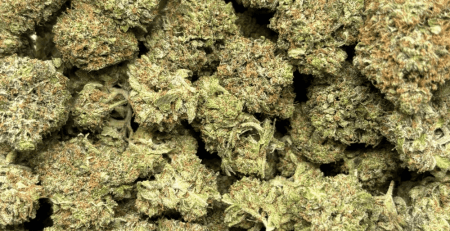
Visual Appearance: While gas strains prioritize potency over aesthetics, they typically feature:
- Dense, compact buds
- Heavy trichome coverage
- Classic green coloration with minimal color variation
- Focus on substance over visual flash
Effects and Potency: Gas strains are renowned for delivering powerful, consistent effects:
- High THC content (often 20-30%+)
- Strong body relaxation
- Euphoric onset followed by deep relaxation
- Ideal for evening use and stress relief
Popular Gas Strain Examples
1. Pink Diesel Fumes (Quad Gas)
An instant classic in the gas category, Pink Diesel Fumes explodes with sharp diesel and earthy undertones that hit as hard as its name suggests. This strain delivers a full-bodied high ideal for winding down, embodying that signature “fuel-forward” punch gas lovers crave.
2. Sticky Pink LSO (Extreme Gas)
Cultivated using Living Soil Organics, Sticky Pink LSO showcases true craftsmanship – dense, frosty buds dripping with gassy sweetness. Its terpene-rich aroma combines heavy fuel notes with subtle floral layers, making it both potent and flavorful.
3. Pink Mike Tyson (LSO Gas)
Heavy-hitting and unapologetically gassy, Pink Mike Tyson lives up to its name. Expect a knockout combination of diesel aroma and sedative power – perfect for seasoned users seeking that unmistakable quad-level relaxation.
4. Black Ops MK Ultra (Quad Gas)
This elite indica-dominant strain combines deep, skunky fuel notes with a stealthy cerebral onset that quickly melts into full-body calm. Black Ops MK Ultra is a textbook example of old-school gas refined for the modern market.
Understanding Exotic Strains: The Art of Cannabis Innovation
Exotic strains represent the cutting edge of cannabis breeding, emphasizing unique genetics, complex flavor profiles, and exceptional visual appeal. The term “exotic” often indicates rarity, novelty, or distinctive characteristics that set these strains apart from mainstream offerings.
Key Features of Exotic Strains
Complex Aroma Profiles: Exotic strains showcase sophisticated terpene combinations:
- Linalool: Floral, lavender-like scents
- Terpinolene: Fresh, piney, and herbal notes
- Humulene: Woody, earthy aromas
- Beta-caryophyllene variations: Unique spice profiles
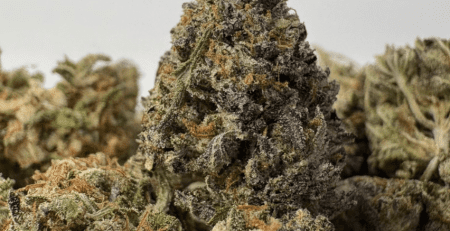
Visual Appeal: Exotic strains prioritize “bag appeal”:
- Vibrant color variations (purples, pinks, oranges)
- Dramatic trichome coverage creating crystalline appearances
- Unique bud structures and formations
- Instagram-worthy aesthetics
Flavor Innovation: These strains often taste like:
- Tropical fruits and berries
- Dessert flavors (vanilla, cookies, cream)
- Candy and confection profiles
- Complex layered taste experiences
Popular Exotic Strain Examples
1. Cake Batter (Trip Exotics)
Cake Batter is a decadent exotic that blends creamy vanilla sweetness with subtle doughy undertones. Its smooth, dessert-like aroma delivers a luxurious smoke that’s both relaxing and uplifting – perfect for those who prefer indulgence over intensity.
2. Donkey Butter (Trip Exotics)
Donkey Butter combines earthy diesel tones with a creamy, nutty finish for a flavor profile as bold as its name. Expect a heavy-hitting high that starts cerebral and quickly melts into deep relaxation – a true exotic with gas-like punch.
3. Wizard Fritter LSO V2 (LSO Exotics)
An LSO weed, Wizard Fritter offers an enchanting blend of apple pastry sweetness and herbal spice. Its balanced effects pair creative focus with mellow body ease, making it a favorite among terpene chasers and flavor purists.
4. Tropicana Superboof LSO (LSO Exotics)
Bursting with tropical citrus and tangy fruit notes, Tropicana Superboof energizes the senses with a sweet, candy-like aroma. This LSO-grown exotic delivers a clean, euphoric high – ideal for daytime creativity or social sessions.
5. Kush Mintz (LSO Exotics)
A modern exotic classic, Kush Mintz blends refreshing mint, sweet cream, and earthy pine for a perfectly balanced profile. Its cool inhale and calming body high make it a connoisseur favorite for evening unwinds with flavor to spare.
6. Trufflegasm (Trip Exotics)
Where gas meets gourmet, Trufflegasm stands out as a high-end exotic with creamy, dessert-like undertones layered over earthy funk. Its aroma is sophisticated and complex, appealing to connoisseurs who appreciate luxury in every puff.
Market Perception and Pricing Differences
Gas Strains command respect for their reliability and potency. They represent the “old school” approach to cannabis, where effects matter more than appearance. Pricing typically reflects quality and potency rather than rarity.
Exotic Strains often carry premium price tags due to:
- Limited availability
- Extensive breeding programs
- Marketing and hype
- Visual appeal and social media presence
- Unique genetic combinations
Can a Strain Be Both Gas and Exotic?
Absolutely! The categories aren’t mutually exclusive. Modern breeding programs often create strains that combine the best of both worlds:
Exotic Gas Strains might feature:
- Powerful fuel aromas with unique undertones
- Striking visual appeal combined with potent effects
- Rare genetics producing classic “gassy” profiles
- Limited-edition releases of classic gas genetics
Examples include certain phenotypes of Wedding Crasher, modified GMO crosses, or rare cuts of diesel strains with enhanced bag appeal.
How to Identify Gas vs Exotic Strains
Identifying Gas Strains:
- Smell test: Immediately powerful, fuel-like aroma
- Reputation: Look for lineages including OG, Diesel, or Chem genetics
- Marketing: Emphasis on potency and effects
- Price: Value-focused pricing for effects delivered
Identifying Exotic Strains:
- Visual inspection: Unusual colors, exceptional trichome coverage
- Strain names: Often creative, dessert-themed, or branded names
- Marketing: Focus on uniqueness, rarity, or specific breeding programs
- Price: Premium pricing with emphasis on exclusivity
The Future of Cannabis Classification
The distinction between gas strains vs exotic strains continues evolving as breeding programs advance, and some have even done away with these classifications altogether. Modern cultivators increasingly combine gas genetics with exotic breeding techniques, creating hybrid categories that blur traditional lines.
Emerging trends include: exotic interpretations of classic gas strains, gas strains with enhanced visual appeal, terpene-focused breeding combining gas aromatics with exotic flavors, and premium gas strains with exotic marketing approaches.
Conclusion: Embrace Cannabis Diversity
Understanding gas strains vs exotic strains helps navigate the modern cannabis market more effectively. Gas strains offer time-tested potency and classic effects, while exotic strains provide innovation and unique experiences. Neither category is inherently superior – they serve different purposes and preferences.
The best approach is exploring both categories to discover your personal preferences. Whether you gravitate toward the reliable power of gas strains or the innovative appeal of exotic varieties, today’s cannabis market offers unprecedented quality and diversity.
Ready to explore? Visit your Weed Posters and ask budtenders about their current gas and exotic offerings. Most knowledgeable staff can guide you toward strains matching your specific preferences and tolerance levels.
Frequently Asked Questions (FAQ)
What defines a “gas strain”?
Gas strains are cannabis varieties known for their sharp, fuel-like aroma – similar to diesel or chemicals – and strong, body-focused effects. They’re typically high in caryophyllene and myrcene and favored for their potency and classic cannabis feel.
What makes a strain “exotic”?
Exotic strains feature unique genetics, standout colors, and layered flavor profiles that go beyond traditional cannabis categories. Think dessert, fruit, or candy-like aromas – often the result of advanced breeding and rare phenotypes.
Which is stronger: gas or exotic strains?
Generally, gas strains are more potent in THC and deliver heavier, more sedative effects. Exotic strains can still be strong but often emphasize the sensory experience – flavor, aroma, and creativity – over raw potency.
Are gas and exotic strains mutually exclusive?
No. Many modern cultivars combine elements of both – such as “exotic gas” hybrids that mix pungent diesel terpenes with vibrant coloration and sweet undertones. Breeders increasingly blend these categories to create balanced, high-end hybrids.
How can I tell if a strain is gas or exotic?
- Gas: Intense fuel aroma, dense green buds, names referencing OG/Diesel/Chem, classic branding.
- Exotic: Bright colors, dessert or fruit-inspired names, complex scent layers, premium presentation.
- Why are exotic strains more expensive?
Exotics often come from small-batch grows, rare genetics, and highly curated breeding programs. Their scarcity, vivid appearance, and marketing appeal contribute to higher retail prices compared to traditional gas strains. Which type is better for me?
- Choose gas strains for strong relaxation, stress relief, and traditional potency.
- Choose exotic strains for vibrant flavors, aesthetics, and unique effects.
Ultimately, it depends on your goals – whether you prioritize power or sensory experience.
Can exotic strains still be potent?
Absolutely. Many exotic strains test well above 20% THC. Their appeal isn’t weaker potency, but a more rounded experience – blending high THC levels with balanced terpenes and refined flavor.
How is the cannabis market evolving?
The future lies in hybridization. Breeders are merging gas potency with exotic flair, creating new cultivars that offer both high performance and premium appeal – reflecting the industry’s shift toward diversity and craftsmanship.


Leave a Reply
You must be logged in to post a comment.