
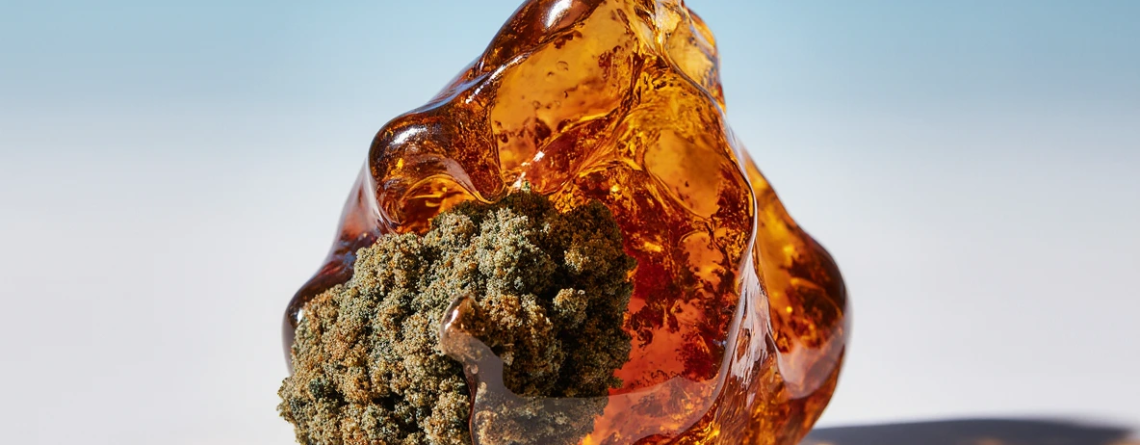
For cannabis connoisseurs seeking the ultimate flavor experience, live resin has emerged as the gold standard of concentrates. Unlike traditional cannabis extracts, live resin captures full flavor by preserving the plant’s original terpene profile through innovative extraction techniques.
This comprehensive guide explores exactly why Live Resin: Why Resin Captures Full Flavor has become the rallying cry for flavor-focused consumers who refuse to compromise on taste and aromatic complexity.
The secret behind live resin’s superior flavor lies in its unique production process, which revolutionizes how we think about cannabis extraction. By flash-freezing freshly harvested cannabis plants immediately after cutting, live resin preserves the volatile terpene compounds that traditional drying and curing processes destroy. This preservation of aromatic molecules results in concentrates that taste remarkably similar to the living plant, delivering an authentic cannabis experience that simply cannot be replicated through conventional methods.
Key Takeaways
- Live resin preserves true flavor: By flash-freezing freshly harvested cannabis plants, live resin captures the plant’s full terpene profile before any degradation occurs.
- Terpenes drive aroma and taste: These volatile compounds are responsible for each strain’s unique scent and flavor – and live resin retains far more of them than traditional concentrates.
- Cold extraction is the key: Operating between -29°C and -62°C keeps terpenes stable throughout the process, producing concentrates that taste just like the living plant.
- Flavor over potency: While potency remains high, live resin is prized primarily for its authentic, full-spectrum flavor experience.
- Proper storage and temperature matter: Keep live resin cool, sealed, and out of light. When dabbing or vaping, lower heat (157°C-232°CF) preserves terpenes and enhances flavor clarity.
- The future is flavor-focused: Innovations in flash-freezing and terpene isolation are pushing live resin toward even more refined, strain-specific experiences.
What Makes Live Resin Different from Traditional Concentrates
Live resin represents a paradigm shift in cannabis extraction methodology. While traditional concentrates rely on dried and cured cannabis flower as their starting material, live resin begins with fresh, flash-frozen plants that have never undergone the conventional drying process. This fundamental difference in raw materials creates dramatically different end products, particularly when it comes to flavor preservation.
The conventional process of drying and curing cannabis, while essential for smokable flower, causes significant terpene loss. During the typical 7-14 day drying period followed by 2-8 weeks of curing, many volatile terpene compounds evaporate or degrade due to exposure to heat, light, and oxygen. These same terpenes are responsible for the distinctive flavors and aromas that make each cannabis strain unique.
Live resin circumvents this degradation entirely by maintaining the plant material at sub-zero temperatures from harvest through extraction. This preservation method maintains the integrity of delicate terpene molecules that would otherwise be lost, resulting in concentrates with significantly higher terpene content and more complex flavor profiles than their traditionally processed counterparts.
The Science of Terpene Preservation
Understanding why live resin captures full flavor requires examining the nature of terpenes themselves. Terpenes are volatile organic compounds found throughout the plant kingdom, responsible for the distinctive aromas of everything from pine trees to citrus fruits. In cannabis, over 100 different terpenes have been identified, each contributing unique sensory characteristics to the overall flavor and aroma profile.
The volatility of terpenes is both their strength and their weakness. While these compounds create the complex bouquets we associate with different cannabis strains, they are also highly susceptible to degradation. Temperature fluctuations, light exposure, and oxidation can rapidly diminish terpene concentrations, which explains why dried cannabis often smells less intense than fresh plants.
Live resin extraction preserves these delicate compounds by maintaining consistently low temperatures throughout the entire process. The flash-freezing technique crystallizes water within the plant cells while keeping terpenes locked in their original state. When extraction occurs at controlled temperatures typically ranging from -20°F to -80°F, the terpenes remain stable and concentrated, creating the full-spectrum flavor experience that live resin is known for.
The Flash-Freezing Process: Capturing Freshness at Its Peak
The journey from plant to potent flavor begins immediately after harvest. Unlike traditional methods where plants are hung to dry in controlled environments, live resin production requires immediate action. Plants destined for live resin extraction are cut and flash-frozen within hours of harvest, often using liquid nitrogen or specialized freezing equipment that rapidly drops temperatures to preserve cellular integrity.
This rapid freezing process is crucial because terpene degradation begins almost immediately after harvest. Even a few hours of exposure to ambient temperatures can result in measurable terpene loss. By freezing plants while they still contain their full complement of fresh terpenes, extractors capture the plant’s flavor profile at its absolute peak.
The frozen plant material maintains its terpene content throughout storage and transportation to extraction facilities. This preservation method ensures that months after harvest, the starting material for live resin contains terpene concentrations comparable to living plants, setting the stage for exceptionally flavorful concentrates.
Extraction Methods That Preserve Flavor
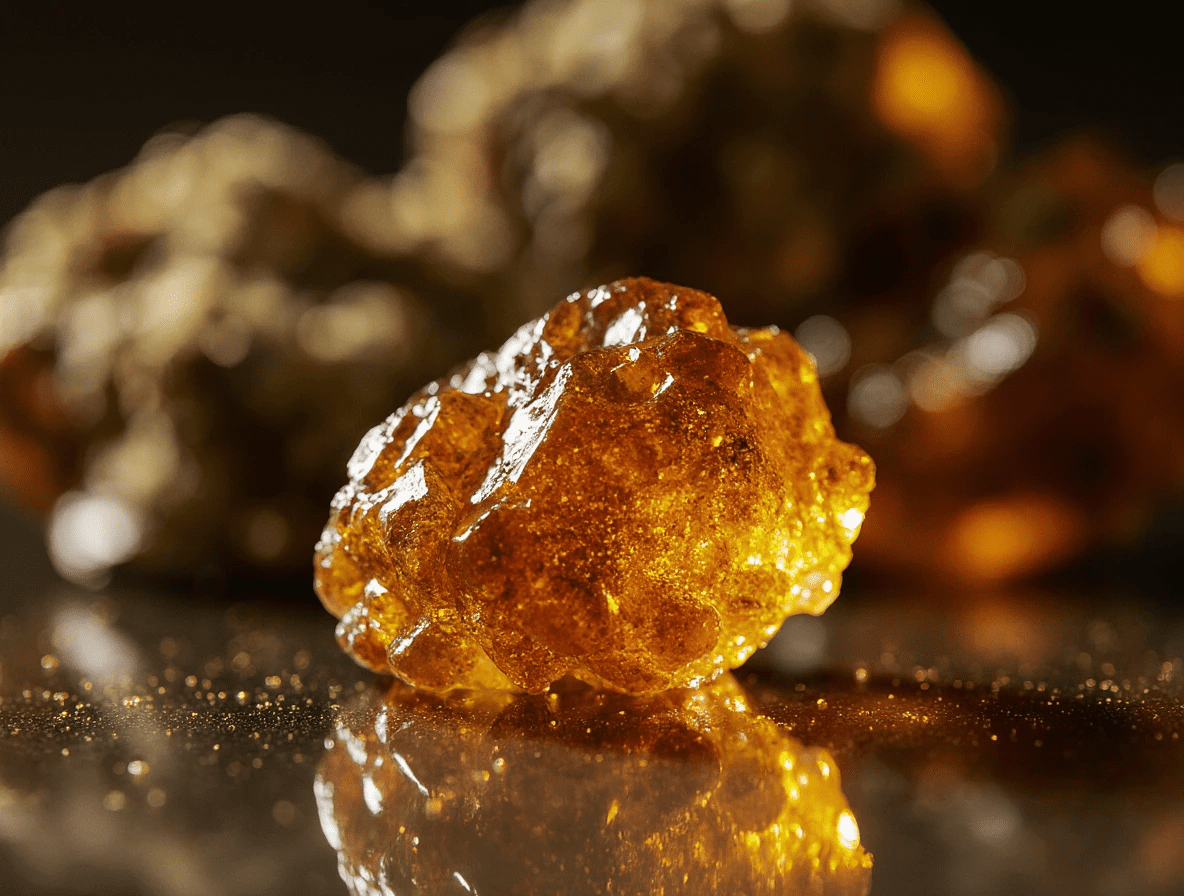
The extraction process itself requires careful temperature control to maintain the terpene integrity established during flash-freezing. Most live resin production utilizes hydrocarbon solvents like butane or propane, which can effectively separate cannabinoids and terpenes from plant material at low temperatures. These closed-loop extraction systems operate at precisely controlled temperatures that maximize extraction efficiency while preserving volatile compounds.
Some producers have pioneered solventless live resin techniques using ice water extraction or rosin pressing methods. These approaches eliminate chemical solvents entirely while still maintaining the low temperatures necessary for terpene preservation. Regardless of the specific extraction method, the key factor is maintaining temperatures that keep terpenes stable throughout the process.
The resulting extract typically has a consistency ranging from sauce-like to budder, depending on the cannabinoid and terpene ratios. This texture variation often correlates with terpene content, as higher terpene concentrations tend to produce more liquid consistencies that many connoisseurs prefer for their intensified flavors.
Live Resin vs Cured Resin: A Flavor Comparison
The flavor differences between live resin and cured resin concentrates are immediately apparent to most consumers. Live resin consistently delivers brighter, more complex flavor profiles that closely mirror the original strain characteristics. Users frequently describe live resin flavors as “fresh,” “vibrant,” and “true-to-plant,” capturing subtle flavor notes that disappear during traditional processing.
Cured resin concentrates, while still potent and effective, often exhibit more muted flavor profiles with earthy or hay-like notes that mask the original strain characteristics. This flavor dampening occurs because the drying and curing process allows many of the more delicate terpenes to evaporate, leaving behind primarily the more stable but less flavorful compounds.
The terpene content differences are measurable and significant. Quality live resin products frequently contain 8-15% terpenes by weight, while cured resin concentrates typically contain 2-5% terpenes. This three-fold or greater difference in terpene concentration translates directly to more intense and complex flavor experiences.
Key Terpenes and Their Flavor Contributions
Different terpenes contribute distinct flavor characteristics to live resin products like Golden Monkey Extracts. Myrcene, one of the most common cannabis terpenes, provides earthy, musky notes with hints of tropical fruit. Strains high in myrcene often produce live resins with deep, complex flavors reminiscent of ripe mango or clove.
Limonene contributes bright citrus notes, creating live resins with fresh, uplifting flavors that can range from lemon and orange to grapefruit and lime. Strains like Super Lemon Haze or Tangie produce live resins with particularly pronounced citrus characteristics that remain vibrant throughout the extraction process.
Caryophyllene adds spicy, peppery notes that provide complexity and depth to live resin flavors. This terpene is unique among cannabis terpenes because it also interacts with the body’s endocannabinoid system, potentially influencing both flavor and effects.
Pinene creates fresh, woody flavors reminiscent of pine forests or fresh lumber. Linalool contributes floral, lavender-like notes that add elegance to certain strain profiles. The interplay between these and other terpenes creates the complex flavor symphonies that make each live resin unique.
Optimizing Your Live Resin Flavor Experience
Proper storage and consumption techniques are essential for experiencing live resin’s full flavor potential. Heat, light, and air exposure can degrade terpenes even after extraction, so live resin should be stored in airtight containers in cool, dark locations. Many connoisseurs use small glass containers stored in refrigerators to maximize flavor preservation.
Consumption temperature plays a crucial role in flavor expression. Low-temperature dabbing, typically between 157°C-232°C, allows terpenes to vaporize without combusting, preserving their delicate flavors. Higher temperatures can destroy terpenes and create harsh, unpleasant flavors that mask the concentrate’s quality.
Vaping cartridges containing live resin should be used with variable voltage batteries set to lower settings. This temperature control ensures that the complex terpene profiles are experienced as intended rather than being overwhelmed by excessive heat.
Clean consumption devices are essential for accurate flavor assessment. Residue from previous sessions can contaminate flavors, so regular cleaning of dab rigs, bangers, and vape pens ensures that each session delivers the pure live resin experience.
The Future of Flavor-Focused Cannabis Concentrates
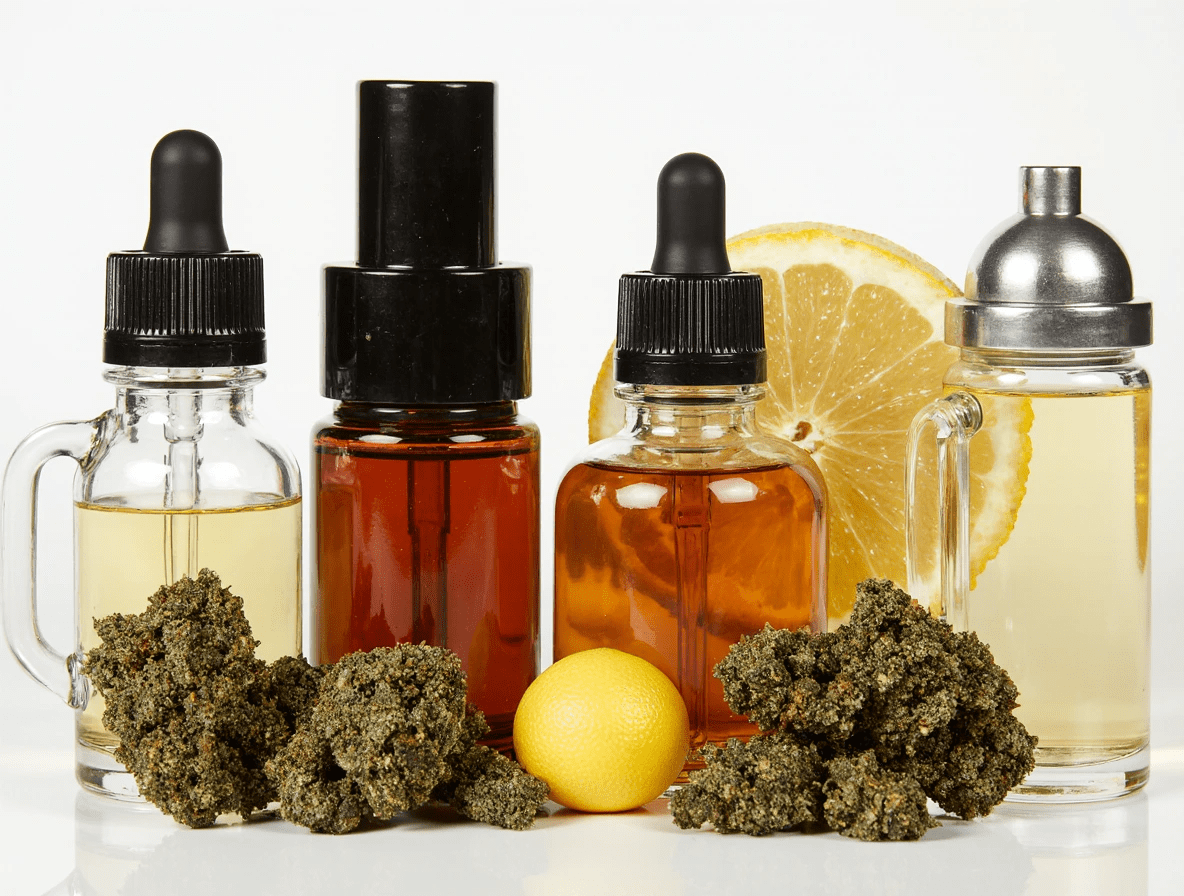
As consumer appreciation for terpene-rich products continues growing, extraction technologies are evolving to capture even more nuanced flavor profiles. Some producers are experimenting with strain-specific frozen harvest timing, harvesting different strains at optimal terpene development stages to maximize flavor potential.
Advanced extraction techniques are being developed that can separate and preserve specific terpene fractions, allowing for custom flavor profile development. These innovations may eventually allow consumers to experience amplified versions of their favorite strain characteristics or novel flavor combinations not found in nature.
The increasing focus on live resin quality has also driven improvements in cultivation practices specifically designed for extraction. Some growers are developing specialized harvest and handling protocols that maximize terpene development and preservation from garden to extraction facility.
Conclusion: Embracing Full-Spectrum Cannabis Flavors
Live resin: Why resin captures full flavor represents more than just a processing preference – it embodies a commitment to experiencing cannabis in its most authentic and flavorful form. By preserving the volatile terpene compounds that define each strain’s unique character, live resin extraction has elevated cannabis concentrates from simple cannabinoid delivery systems to complex flavor experiences that celebrate the plant’s natural diversity.
Start your live resin journey by selecting products from reputable producers like Weed Posters who prioritize terpene preservation throughout their process. The world of live resin offers endless opportunities to explore cannabis flavors in their purest, most concentrated form.
Frequently Asked Questions (FAQ)
What exactly is live resin?
Live resin is a type of cannabis concentrate made from freshly harvested, flash-frozen plants. This process preserves the natural terpene and cannabinoid profiles, resulting in richer flavor and aroma compared to extracts made from dried and cured flower.
How is live resin different from cured resin?
Cured resin uses dried and cured cannabis, which loses many volatile terpenes during processing. Live resin skips drying entirely, retaining 2-3× more terpenes and producing a fresher, more strain-accurate flavor.
Why are terpenes so important?
Terpenes are the aromatic compounds that give cannabis its unique scents and flavors – citrus, pine, spice, floral, and more. They also influence how cannabinoids feel and interact with the body (a phenomenon known as the “entourage effect”).
What does live resin taste like?
Because it maintains the original terpene balance, live resin tastes closer to the fresh plant – vibrant, complex, and aromatic. Each strain’s natural profile (citrusy, earthy, floral, or piney) shines through clearly.
Does live resin get you higher than other concentrates?
Potency levels are comparable to other premium extracts, but the enhanced terpene content can change how the effects feel – often described as smoother, more balanced, and more flavorful rather than simply stronger.
What’s the best way to consume live resin?
Low-temperature dabbing or vaping is ideal. Keep temps between 157°C and 232°C to fully vaporize terpenes without burning them. Avoid extreme heat, which can ruin flavor and harshen the experience.
How should live resin be stored?
Store in an airtight, light-proof container in a cool environment – ideally refrigerated. Exposure to air, heat, or sunlight can degrade terpenes and cannabinoids over time.
Is solventless live resin real?
Yes – while most live resin is extracted with hydrocarbons (like butane or propane), some producers now use solventless methods such as ice-water extraction or live rosin pressing to achieve similar terpene-rich results.
Why is live resin more expensive?
The flash-freezing process, cold-chain logistics, and precise extraction methods require specialized equipment and time, increasing production costs – but the flavor payoff makes it worth it for many consumers.
What should I look for when buying live resin?
Choose reputable brands that specify fresh-frozen source material, list terpene percentages, and package products in air-tight, UV-protected containers. Authentic live resin should have a strong aroma and sauce-like texture that reflects its terpene richness.


Leave a Reply
You must be logged in to post a comment.